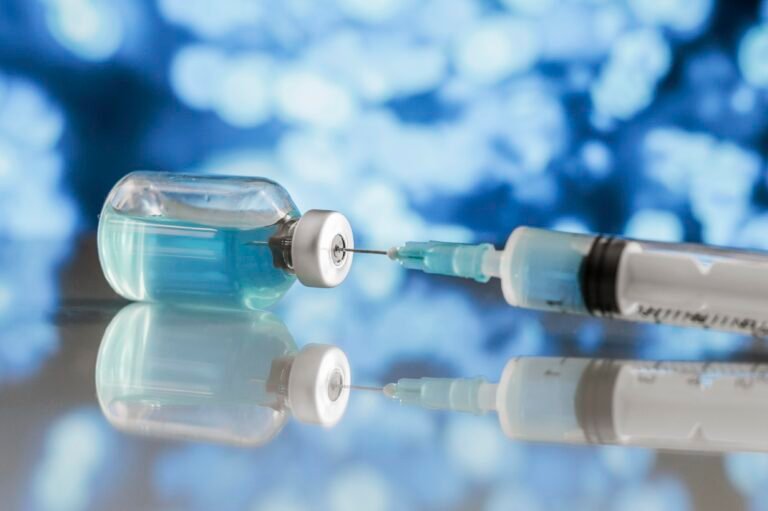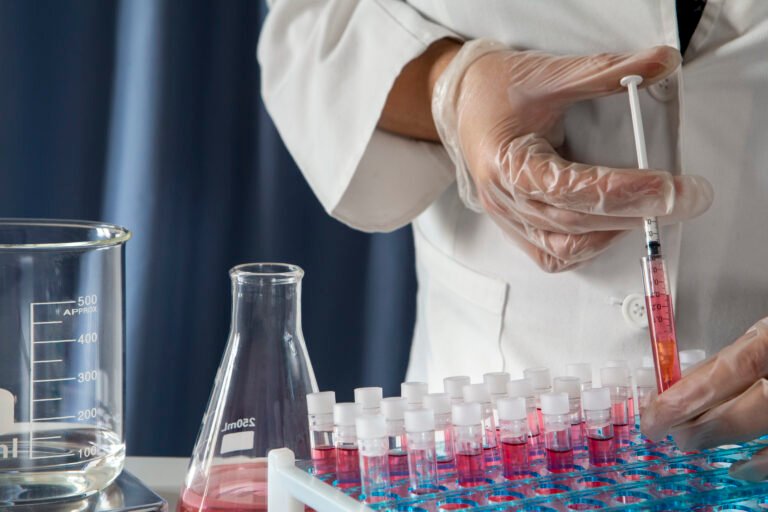
The fact that the peptide under consideration, Tb4 peptide, is involved in the process of tissue repair and cellular activity has attract the attention of scientific researchers. It is examine by researchers to comprehend the process of injury repair and how the body reacts to it. Although the answers are yet to be found, the peptide remains a target of regenerative research.
Following this introduction, you have an opportunity to read more concerning Thymosin beta 4 10mg and the role of laboratory testing in peptides studies.
What Is TB4 Peptide and Why Does It Matter in Research
The tb4 peptide is a molecule that is naturally present in most cells. It aids in controlling cell migration, decreases inflammation, and promotes tissue repair. These functions render it significant in the research involving healing and regeneration.
It can also be found in research literature as thymosin beta 4 peptide. The two terminologies refer to one and the same compound in laboratory research.
Key Functions of TB4 Peptide in Scientific Studies
Scientists pay attention to the mechanism of action of the TB4 peptide at the cellular level. Its main functions include:
- Facilitating wound healing processes.
- Encouraged the growth of new blood vessels.
- Assisting the cells in moving to where they are broken.
- Decreasing inflammatory reactions.
These functions determine the reason why the TB4 research peptide is extensively researched in a controlled setting.
How Does TB4 Peptide Work in the Body?
The peptide of the tb4 combines with actin, which is a cell structure and movement protein. This communication assists the cells in travelling more effectively to the parts that require repairing.
It involes in the communication of pathways that regulate tissue regeneration and inflammation. Due to this, scientists are examining the potential of its various biological systems.
Research Methods Used to Study TB4 Peptide
The standard peptide tests employed in labs to determine its effects include:
- Purity analysis using HPLC
- Mass spectrometry Molecular identification.
- Behavior observation, Cell-based assays.
- Controlled stability test.
Other related compounds, such as TB-500 ( Thymosin Beta-4 ), are also found in the mid-way research talks due to the same properties they have.
Is TB4 Peptide Safe in Research Settings?
In controlled laboratory conditions, the study of peptides conduct under stringent conditions. Safety is based on purity, dosage and testing standards.
As an example, such references as tb4 peptide 10mg are commonly employ when labelling research, although the usage can be different depending on the guidelines and experiment design.
It is also compare with other categories by researchers, such as cosmetic peptides, to test the broader usage and safety aspects.
Why TB4 Peptide Continues to Be Studied
There is an increasing interest in the use of tb4 peptide due to comparable outcomes in preliminary research. They are working on its potential in:
- Research in tissue regeneration.
- Cellular repair mechanisms
- Anti-inflammatory pathways
The current thymosin beta 4 research studies conduct to learn more about its functioning and the possible locations of its usage in the future.
Final Thoughts
The subject of the TB4 peptide is not forgotten even in current-day scientific studies. Its contribution to the movement of cells, as well as its role in healing and inflammation, has rendered it useful in research.
Research is still the focus as more studies are done to understand the mechanisms of the same and maintain proper testing standards. Stable lab protocols are necessary to achieve correct results. Test and validation at Nupeps.com. You can find out more about testing and validation.
Simply put, it is patients’ research and adequate testing that make peptides such as TB4 really significant in the scientific world.
What is peptide thymosin beta 4?
It is a peptide that is naturally occurring, and it aids in the movement of cells, repair and control of inflammatory reactions of the body.
What is thymosin beta 4 synthetic peptide?
It is a synthetic derivative of the natural peptide, applied in research to investigate its effects in controlled conditions.
What does the TB4 peptide do
It facilitates recovery, facilitates the migration of cells towards the areas of damage and induces the development of blood vessels in experimental laboratories.
Why is the TB4 peptide important in scientific research?
It offers an understanding of the way the body heals itself. It is one that is studied by researchers to gain more insight into the healing and regeneration processes.