Applications
Muscle and Tissue Processes: Peptide Research Mechanisms
By NUPEPS Research TeamDecember 4, 2025
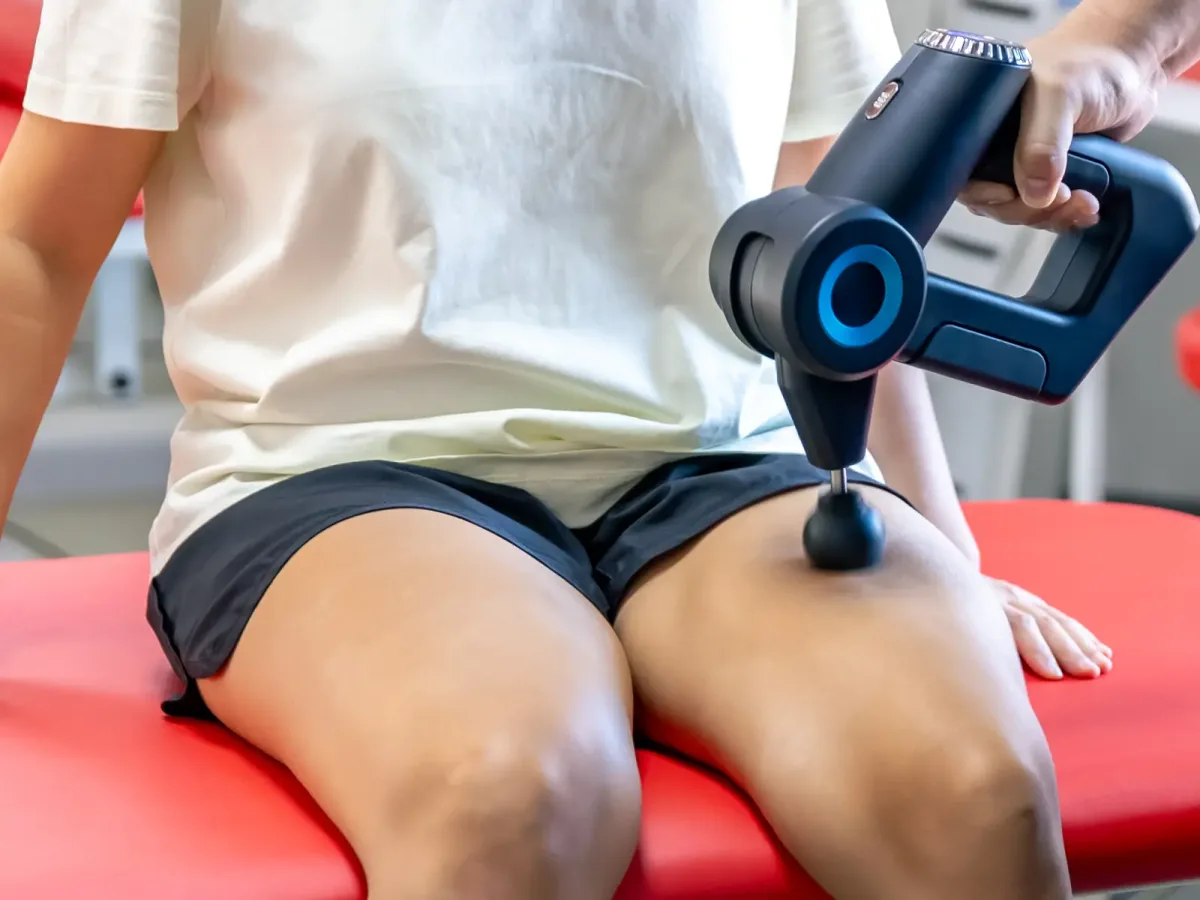
Muscle and tissue repair are essential biological processes responsible for maintaining mobility, structural strength, and recovery after injury. These processes rely on tightly coordinated mechanisms such as cell proliferation, extracellular matrix (ECM) remodeling, angiogenesis, and inflammation regulation. Key areas—such as muscle development, wound healing, joint repair, and recovery from sports injuries—depend on accurate modulation of satellite cells, fibroblasts, cartilage matrix metabolism, and neuromuscular junction repair.
With strong bioactivity and highly specific targeting, peptide-based research compounds can influence these processes precisely. In laboratory models, they are studied for their roles in tissue regeneration pathways, inflammatory response regulation, and fibrosis-related signaling in regenerative biology research.
Core Research Areas
1. Muscle Research: Protein Synthesis and Breakdown Pathways
Peptide compounds are studied for their modulation of both anabolic (building) and catabolic (breakdown) pathways in muscle models.
- Satellite cell activation and growth: Growth hormone–releasing peptides (e.g., CJC-1295) are studied for their activation of growth hormone pathways and IGF-1 production in laboratory models, including effects on satellite cell proliferation and fusion with muscle fibers. These peptides are also examined for their interaction with protein-degrading systems in models of aging, immobilization, and training stress.
- Adipose metabolism and muscle protection: Certain peptides (e.g., AOD 9604) are studied for their effects on fat metabolism pathways and inflammatory signaling between fat cells and muscle cells in research models, including mitochondrial function and exercise-induced oxidative stress markers.
2. Wound Healing Models: Regulation Across Healing Phases
Peptides are studied at every stage of wound healing models—from inflammation to tissue remodeling.
- Regulating the inflammatory phase: Peptides such as TB-500 are studied for their relationship to neutrophil activity and oxidative damage markers in wound models, including macrophage polarization toward the M2 phenotype. Antimicrobial peptides (e.g., LL-37) are studied for antimicrobial activity and for their effects on keratinocyte migration in wound closure models.
- Supporting proliferation and remodeling: Peptides like BPC-157 are studied in relation to VEGF and FGF pathways and new blood vessel formation in injured tissue models. They are also examined for their effects on collagen and fibronectin production in granulation tissue models. Copper-binding peptides such as GHK-Cu are studied for their roles in collagen cross-linking, ECM structure, and matrix breakdown, including endpoints for scar tissue formation and tensile strength.
Each of those wound-healing stages depends on cells migrating into the damaged area before rebuilding can begin. The standard reference material for that migration step is thymosin beta-4, the actin-sequestering protein that regulates how cells move. Thymosin Beta-4 10MG supplies the complete 43-amino-acid sequence, so wound-healing and tissue-repair study designs can work with the full-length protein itself.
3. Joint Research Models: Cartilage and Synovial Pathways
Peptides are widely studied in research involving arthritis, cartilage wear, and joint inflammation models.
- Preserving cartilage matrix: Peptides such as Chonluten are studied for their effects on proteoglycan and type II collagen production by chondrocytes, matrix breakdown rates, and cartilage structure in laboratory models, including hypertrophic changes associated with degeneration models.
- Synovial inflammation control: Cartilage-related peptides (e.g., Cartalax) are studied for their effects on fibroblast-like synoviocyte activity and inflammatory cytokine release in arthritis-related models.
- Cell protection and oxidative stress reduction: Mitochondria-targeted peptides like SS-31 are studied for their effects on mitochondrial membranes and oxidative stress markers within chondrocytes in cartilage models.
4. Sports Injury Models: Tissue Response Research
In models of strains, ligament tears, and tendon injuries, peptides are studied for their effects on tissue organization.
- Tendon and ligament repair: Peptides such as TB-500 fragments are studied for their effects on tendon stem cell differentiation and collagen fiber formation in laboratory models. Researchers measure endpoints such as scar tissue formation, structural alignment, and tissue strength in these models.
- Growth hormone–mediated recovery: Compounds like CJC-1295 are studied for their relationship to growth hormone activity, satellite cell migration, collagen synthesis, and tissue regeneration pathways in research models.
Conclusion
Peptide compounds are widely used research tools in the study of muscle and tissue processes. By targeting key mechanisms—including satellite cell activation, ECM remodeling, angiogenesis, and inflammation management—they are studied in models of muscle development, wound healing, cartilage biology, and sports injury. These applications make peptides valuable tools for laboratory research across regenerative biology.
Important Notice
All articles and product information on this website are provided solely for educational and informational purposes.
Products offered on this website are intended strictly for in vitro research use only.
- These products are not medications.
- They have not been evaluated or approved by the U.S. FDA.
- They are not intended to diagnose, treat, cure, or prevent any disease.
- It is strictly prohibited to use, administer, or introduce these products into humans or animals in any form.
Frequently asked questions
Is Muscle and Tissue Processes: Peptide Research Mechanisms for human use?
No. All compounds discussed in this guide are strictly for laboratory research use only. Not for human or veterinary use.
Where can I find the Certificate of Analysis?
Certificates of Analysis are available in our COA library. Each batch is third-party tested for purity and identity.
How should research compounds be stored?
Store according to the vial label instructions. Generally, lyophilized compounds should be kept in a cool, dry place away from light. Refer to the specific product documentation for details.
All products are intended strictly for laboratory research and in-vitro use only. Not for human or veterinary consumption, diagnostic, or therapeutic use. Products are not drugs, foods, cosmetics, or dietary supplements and may not be misbranded, misused, or mislabeled.