Applications
Antioxidant Pathways and Liver Models: Peptide Research
By NUPEPS Research TeamDecember 4, 2025
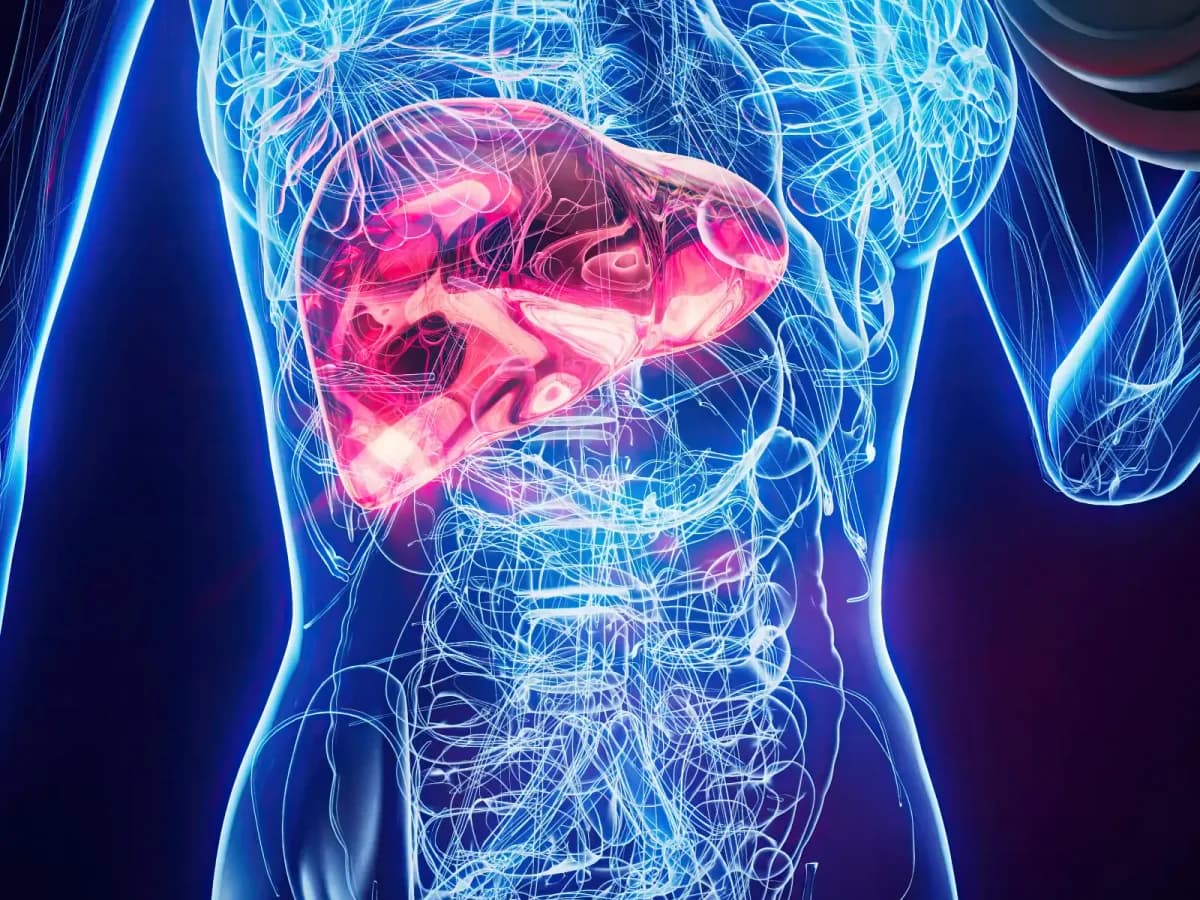
The liver is one of the body’s most important metabolic and detoxification organs. It performs essential functions including biosynthesis, energy storage, and the clearance of harmful substances. Factors such as oxidative stress, toxin buildup, and metabolic imbalance contribute to liver injury, fatty liver disease, and the development of fibrosis.
Liver research focuses on the structural integrity of hepatocytes, detoxification enzyme activity, and free radical balance in experimental models. Due to their high activity and strong target specificity, peptide-based compounds are studied for their interactions with metabolic pathways, hepatocyte oxidative damage markers, and toxin biotransformation pathways. These characteristics make them valuable research tools for studying mechanisms in models of alcoholic liver disease, non-alcoholic fatty liver disease (NAFLD), and drug-induced liver injury.
Core Research Areas
1. Hepatocyte Research: Structure and Function Pathways
In laboratory models, peptide compounds are studied for anti-apoptotic actions, metabolic regulation, and cellular repair pathways.
- Inhibition of hepatocyte apoptosis: Mitochondria-targeted peptides (e.g., SS-31) are studied for their effects on mitochondrial membrane stability, membrane potential, and the release of apoptosis-related proteins such as cytochrome C in hepatocyte models, including oxidative and drug-induced apoptosis models such as ischemia-reperfusion. Copper-containing peptides (e.g., GHK-Cu) are studied for signaling involved in DNA repair pathways and cellular regeneration in laboratory models, including interactions with pathways such as TGF-β in liver fibrosis models.
- Hepatic membrane support: Certain liver-related peptides are studied for their effects on tight junction proteins in hepatic membranes and permeability to inflammatory factors and toxins in models of toxin-related liver stress, such as alcohol-induced injury models.
2. Detoxification Pathways: Metabolic Breakdown and Excretion
The liver plays a central role in the metabolism of chemicals, drugs, and toxins. Research on liver-related peptides examines their involvement in detoxification pathways in laboratory models.
- Activation of Phase I/II metabolic processes: Glutathione (GSH) and GSH-related peptides participate directly in Phase II conjugation reactions, binding electrophilic toxins to support their clearance. Certain peptides increase intracellular GSH levels and promote glutathione S-transferase (GST) activity—key factors in metabolizing alcohol derivatives, acetaminophen metabolites, and other toxic compounds. NAD-related peptides support redox reactions important for Phase I enzyme systems such as alcohol dehydrogenase and cytochrome P450. Researchers study increased NAD availability in relation to the processing of lipophilic toxins into water-soluble metabolites in laboratory models.
- Regulation of bile acid pathways: Some liver-active peptides are thought to influence nuclear receptors such as FXR or PXR, supporting bile acid synthesis and transport. These pathways are studied in models of toxic bile acid buildup and cholestatic liver dysfunction.
3. Oxidative Stress Research: Free Radical Pathways
Oxidative stress is a major driver of liver injury in experimental models. Peptide-based compounds are studied for their interactions with multiple antioxidative mechanisms.
- Direct free radical scavenging: Glutathione neutralizes reactive oxygen species (ROS) such as superoxide and hydrogen peroxide and is studied for its role in limiting lipid membrane oxidation in cell models.
- Regulation of oxidative enzymes: Some antimicrobial peptides (e.g., LL-37) are studied for their relationship to ROS generation through pathways such as NADPH oxidase. This can interrupt oxidative stress–driven cascades linked to apoptosis and inflammatory signaling.
- Mitochondrial protection: Mitochondria-targeted peptides (e.g., SS-31) are studied for their effects on mitochondrial dynamics and fragmentation in liver cell models. Researchers study stable mitochondrial function in relation to oxidative damage markers for proteins, lipids, and DNA.
Conclusion
Peptide-based research tools play an important role in understanding liver protection pathways, detoxification, and oxidative stress regulation. By targeting mitochondrial stability, metabolic enzyme pathways, and redox balance, peptide substances provide valuable insight into mechanisms studied in models of fatty liver disease, toxin-related liver injury, and fibrosis. Their multi-pathway capabilities illustrate the potential for deeper mechanistic exploration in the field of liver research.
Important Disclaimer
All articles and product information on this website are provided exclusively for educational and informational purposes.
Products offered on this website are intended strictly for in vitro research use only.
- These products are not medications.
- They have not been evaluated or approved by the U.S. FDA.
- They are not intended to diagnose, treat, cure, or prevent any disease.
- It is strictly prohibited to use, administer, or introduce these products into humans or animals in any form.
Frequently asked questions
Is Antioxidant Pathways and Liver Models: Peptide Research for human use?
No. All compounds discussed in this guide are strictly for laboratory research use only. Not for human or veterinary use.
Where can I find the Certificate of Analysis?
Certificates of Analysis are available in our COA library. Each batch is third-party tested for purity and identity.
How should research compounds be stored?
Store according to the vial label instructions. Generally, lyophilized compounds should be kept in a cool, dry place away from light. Refer to the specific product documentation for details.
All products are intended strictly for laboratory research and in-vitro use only. Not for human or veterinary consumption, diagnostic, or therapeutic use. Products are not drugs, foods, cosmetics, or dietary supplements and may not be misbranded, misused, or mislabeled.