Methods of Peptide Storage
Peptide compounds are highly sensitive to environmental conditions due to their specific amino acid sequences and three-dimensional structures. Proper storage is essential to prevent chemical degradation, oxidation, and aggregation, thereby preserving structural integrity and biological activity. The peptide backbone is susceptible to hydrolysis, while side chains may react with moisture, oxygen, or microbial contaminants, which can lead to loss of function.
Peptides can be stored in either solid or liquid forms. Solid-state storage typically involves converting peptides into dry powders using freeze-drying or vacuum-drying techniques to minimize moisture exposure. Liquid-state storage involves dissolving peptides in appropriate solvents, which is suitable for applications requiring ready-to-use peptide solutions.
Critical Considerations for Peptide Storage
Oxidation is a major concern, particularly for peptides containing sulfur-containing or aromatic amino acids. Exposure to oxygen can lead to peptide chain cleavage or incorrect disulfide bond formation. To prevent oxidation, inert gases can be introduced into storage containers for solid peptides, and antioxidants can be added to liquid solutions. Minimizing air exposure and filling containers to reduce headspace are effective strategies to preserve peptide integrity.
Moisture contamination must also be strictly controlled. In solid-state storage, peptide powders should be kept in low-humidity conditions, using moisture-resistant containers with desiccants and sealed immediately after use. In liquid-state storage, solvents must be thoroughly dehydrated, and containers should be clean and dry to prevent hydrolytic degradation or impurity-induced instability.
Temperature control is another critical factor. Most peptides maintain stability when stored at -20°C or -80°C in solid form, reducing molecular motion and slowing chemical reactions. Liquid peptides can be stored short-term at 4°C or long-term at -20°C or lower. Repeated freeze-thaw cycles should be avoided, as they can induce aggregation or activity loss. Pre-aliquoting peptide solutions into smaller portions allows for on-demand usage while minimizing thawing frequency.
Selection of Storage Containers
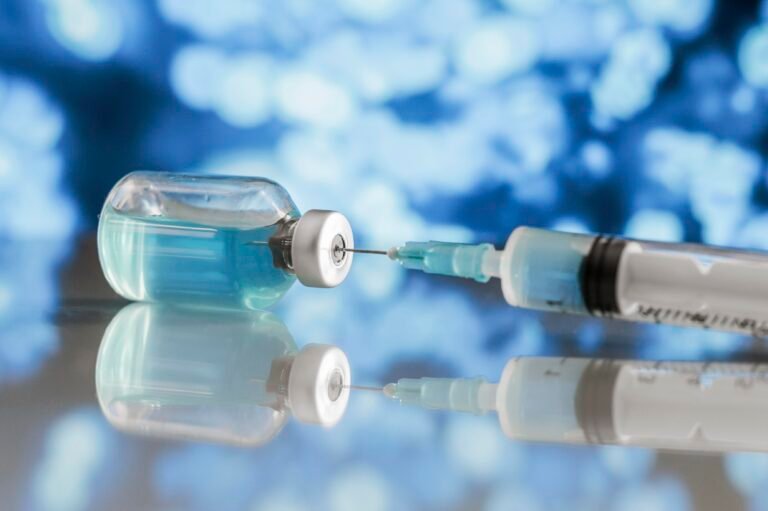
Choosing appropriate storage containers requires consideration of material compatibility, sealing performance, and practical usage. Glass containers provide excellent chemical inertness and are ideal for peptides sensitive to material interactions, though care must be taken to avoid thermal shock. Plastic containers are lightweight and resistant to impact, but some peptides may adsorb to plastic surfaces, especially at low concentrations. In such cases, low-adsorption plastic containers are recommended. Airtight sealing is essential, and containers such as screw-cap bottles or cryovials with O-rings are preferred to protect peptides from air, moisture, and microbial contamination. Container selection should also reflect the storage form and volume requirements, with wide-mouth bottles for solid powders and centrifuge tubes or cryovials for liquid aliquots.
Best Practices for Peptide Storage
Solid peptide powders should be stored in low-temperature, low-humidity, and light-protected environments. Liquid peptide solutions should be kept refrigerated for short-term storage or frozen in aliquots for long-term storage. Exposure to air should be minimized, and containers should be tightly sealed. Light-sensitive peptides should be stored in opaque containers or wrapped in protective materials such as aluminum foil. By following these guidelines, peptides retain their structural stability, chemical integrity, and biological activity for reliable experimental or research use.
Important Notice
All articles and product information on this website are provided solely for educational and informational purposes.
Our products are intended exclusively for in vitro research use. In vitro refers to research performed outside the human body, typically in laboratory glassware. These products are not pharmaceuticals, are not approved by the U.S. Food and Drug Administration (FDA), and must not be used to diagnose, treat, cure, or prevent any disease or medical condition. Introducing these products into the human or animal body in any form is strictly prohibited.