What Is Peptide Solubility?
Peptide solubility describes the maximum amount of a peptide that can dissolve in a given solvent under defined temperature and pH conditions. It is typically expressed as mass concentration (g/L) or molar concentration (mol/L). Solubility is a fundamental physicochemical property that influences:
- peptide handling and formulation in the laboratory,
- solution preparation and storage stability, and
- the overall success of in vitro experiments.
Understanding solubility is essential for selecting appropriate dissolution methods, minimizing aggregation, and ensuring consistent experimental performance.
Key Factors Affecting Peptide Solubility
Peptide solubility is shaped by both structural features and environmental conditions.
Structural Factors:
- Peptides rich in polar or charged amino acids show improved solubility due to hydrogen bonding and ionic interactions.
- Sequences with a high proportion of nonpolar or hydrophobic residues may aggregate, resulting in lower solubility.
- Shorter peptides generally dissolve more easily than longer, higher-molecular-weight sequences.
- Charge distribution also matters—peptides with balanced or uniform charges often display better solubility under optimized pH conditions.
Environmental Factors:
- Solvent polarity affects dissolution efficiency.
- pH influences the ionization state of amino acids, altering solubility dramatically.
- Ionic strength can enhance or reduce solubility depending on the peptide’s charge characteristics.
Common Methods for Measuring Peptide Solubility
Synthetic peptides have significant roles across biotechnology, medicine, and materials science.
Biomedicine
- 1. Equilibrium Solubility Method Peptide is mixed with solvent and stirred until equilibrium is reached. After centrifugation, the concentration of dissolved peptide in the supernatant is measured. This method is reliable for peptides with inherently low solubility.
- 2. Spectroscopic Analysis Using UV absorbance or other optical methods, peptide concentration can be measured based on linear absorbance–concentration relationships. Care must be taken to avoid solvent interference.
- 3. High-Performance Liquid Chromatography (HPLC) HPLC provides high accuracy and sensitivity, especially useful for samples containing similar peptides, impurities, or isomers.
- 4. Dynamic Light Scattering (DLS) DLS does not measure solubility directly but evaluates aggregation behavior, helping researchers understand dissolution quality and particle size distribution.
Strategies to Improve Peptide Solubility
Improving solubility requires both an understanding of peptide sequence characteristics and thoughtful selection of laboratory strategies.
Chemical & Structural Strategies:
- Introducing polar residues or modifying terminal groups to increase hydrophilicity.
- Substituting certain hydrophobic residues to reduce aggregation tendencies.
Solvent Optimization:
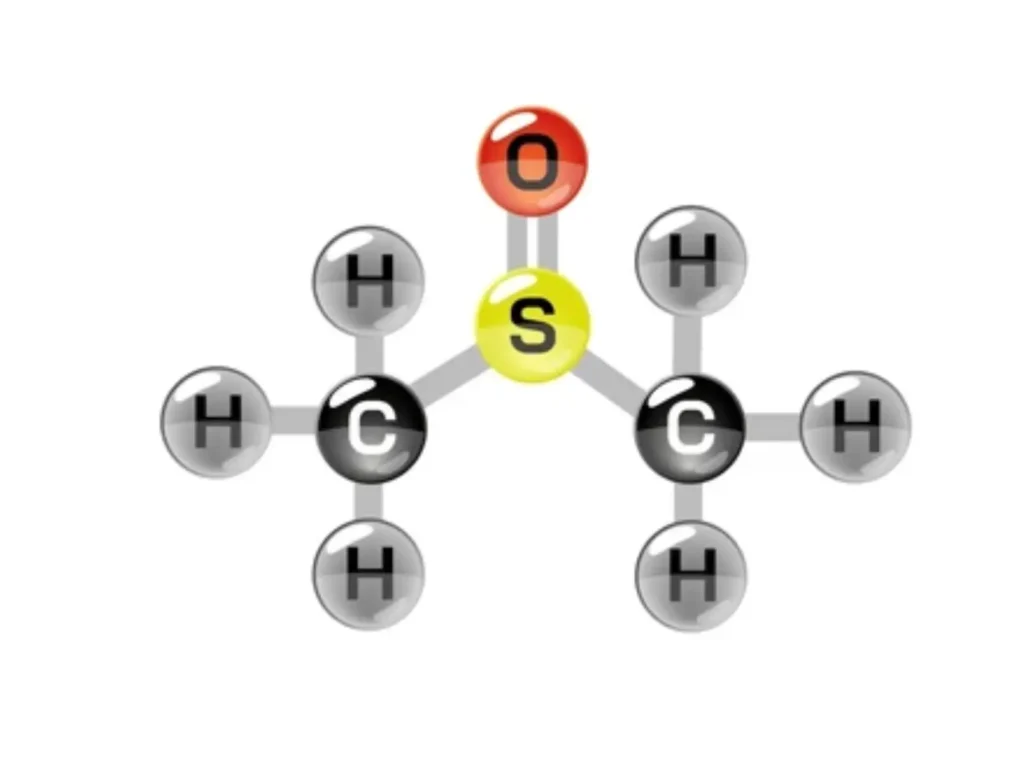
- Using co-solvents such as methanol or DMSO to enhance dissolution.
- Employing mild surfactants (e.g., SDS in research-appropriate contexts) to improve dispersion.
Solution Condition Adjustments:
- Adjusting pH based on the peptide’s isoelectric point to minimize aggregation through charge repulsion.
- Controlling ionic strength to prevent salting-out effects.
Formulation Approaches:
- Preparing lyophilized powders, microspheres, or nanoparticle-based dispersions to enhance apparent solubility and stability.
- Selecting dissolution conditions tailored to each peptide’s sequence and research application.
Disclaimer
All articles and product information provided on this website are for educational and informational purposes only. Products offered by NUPEPS Peptides are intended exclusively for in vitro research use. In vitro research refers to studies performed outside a living organism, such as in laboratory glassware. These products are not pharmaceuticals, are not approved by the FDA, and must not be used to diagnose, treat, prevent, or cure any medical condition. It is strictly prohibited to introduce these products into humans or animals under any circumstances.