Applications
Reproductive Health and Hormonal Regulation: Peptides
By NUPEPS Research TeamDecember 4, 2025
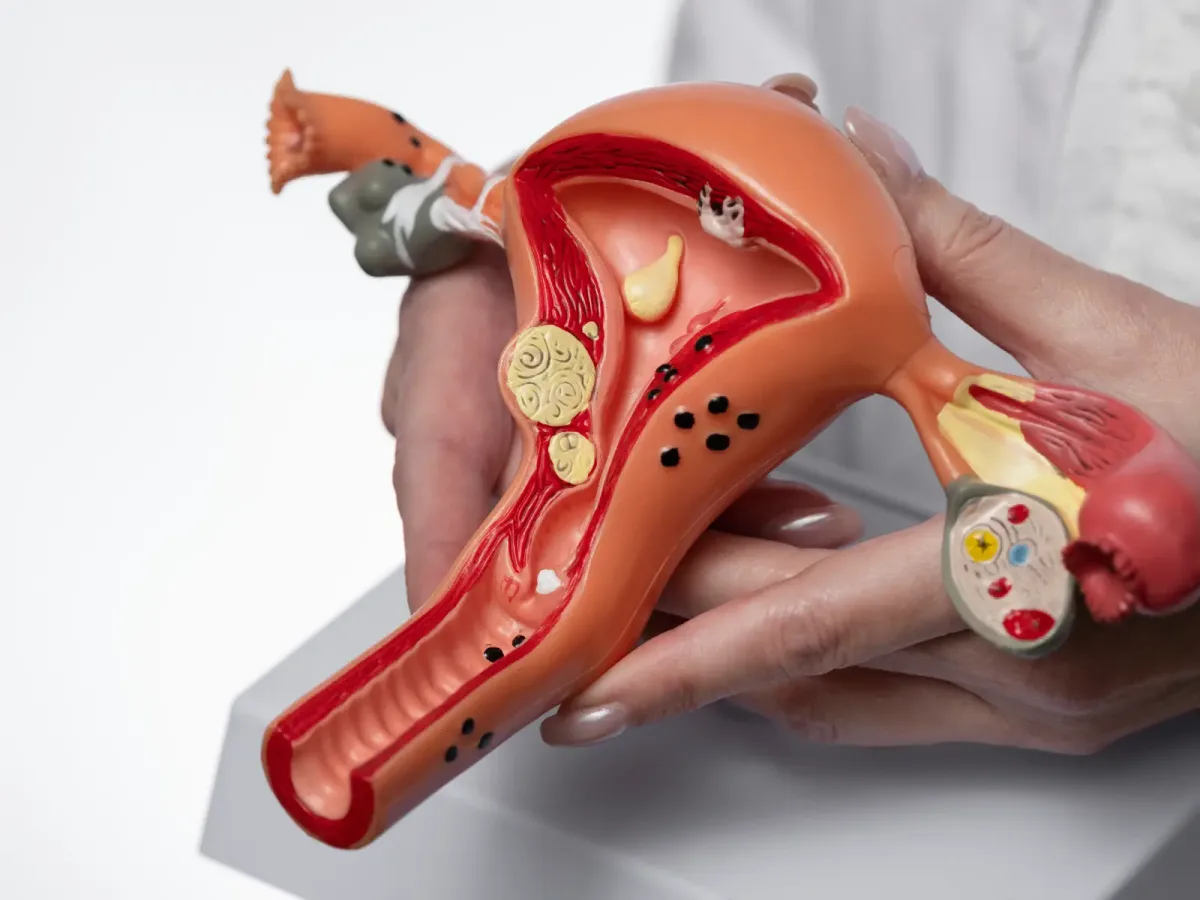
Reproductive health is a key part of human well-being and depends on the proper functioning of the endocrine system. At the center of this system is the hypothalamic-pituitary-gonadal (HPG) axis, which regulates processes such as gamete production, sex hormone balance, fertility, and sexual function. When hormonal signaling becomes disrupted, it can affect fertility, menstrual cycles, and overall reproductive function.
Peptide-based drugs known for their high specificity and biological activity, are increasingly used in research aimed at understanding and addressing reproductive endocrine disorders. By targeting hormonal pathways at a mechanistic level, they offer valuable insights for conditions involving infertility, hormone deficiencies, and reproductive-related dysfunctions.
Core Application Areas
1. Ovulation Induction: Guiding Follicular Development
Ovulation induction is essential for treating certain forms of anovulatory infertility. Peptide-based compounds can regulate follicle growth by mimicking natural signals such as gonadotropin-releasing hormone (GnRH) or by supplying gonadotropin activity directly.
- GnRH analogs: These analogs influence GnRH receptor activity in the pituitary gland, preventing premature luteinizing hormone (LH) surges and supporting controlled ovarian hyperstimulation (COH) in assisted reproductive technology (ART).
- Gonadotropin-related peptides: Human chorionic gonadotropin (hCG) imitates LH and triggers ovulation in mature follicles. Human menopausal gonadotropin (hMG), which contains both FSH and LH activity, helps stimulate follicular growth and improves the chances of successful conception in natural and assisted cycles.
2. Sex Hormone Replacement: Restoring Endocrine Balance
Conditions involving insufficient or imbalanced sex hormone production can benefit from targeted hormonal regulation.
- Pulsatile GnRH therapy: Used mainly in cases of hypothalamic hypogonadism, this approach replicates natural GnRH secretion patterns. It stimulates the release of FSH and LH, supporting gonadal development, hormone production, and—when appropriate—fertility restoration.
- Peptides that influence testosterone and estrogen regulation: Certain synthetic peptides support GnRH neuron activity, indirectly modulating sex hormone levels. These approaches can help address symptoms associated with hormonal insufficiency, such as menstrual irregularities or reduced libido, when caused by endocrine dysfunction.
3. Fertility Treatment: Supporting Assisted Reproductive Technology
Peptide-based drugs play a role throughout multiple stages of ART, from follicular growth to luteal support.
- Controlled ovarian stimulation: Combinations of FSH-related peptides and hMG allow precise control over follicle recruitment. As a result, they help reduce the risk of ovarian hyperstimulation syndrome (OHSS). Additionally, GnRH antagonists prevent premature LH surges, ensuring the appropriate timing of oocyte maturation.
- Oocyte maturation and luteal support: hCG is commonly used to promote final oocyte maturation. After retrieval, hCG or GnRH agonists may be used to support progesterone production and enhance endometrial receptivity.
- Male fertility regulation: Compounds that affect GnRH-dependent pathways can influence LH and FSH secretion, supporting spermatogenesis and aiding research into conditions such as idiopathic oligoasthenospermia.
4. Sexual Function Modulation: Neuroendocrine Pathway Research
Sexual function is influenced by hormonal signaling and neural pathways. Some peptide-based molecules are used in research to understand how these systems interact.
- Central pathway modulators: Certain investigational peptides act on melanocortin receptors, affecting neural circuits linked to sexual arousal. These pathways are being studied to better understand the causes of sexual dysfunction.
- Hormonal and emotional interactions: Peptides like oxytocin play key roles in bonding behaviors, uterine contractions, and lactation. Growth hormone-related peptides can influence testosterone levels, which impact various aspects of reproductive health.
Conclusion
Peptide-based tools are transforming research in reproductive health by enabling precise regulation of the HPG axis, neural pathways, and gonadal functions. Their ability to target hormonal mechanisms provides new insights into ovulation induction, hormone replacement, fertility support, and neuroendocrine regulation. These advances help broaden our understanding of reproductive physiology and support the development of more personalized and mechanism-driven approaches in reproductive medicine research.
Important Disclaimer
All articles and product information on this website serve solely for educational and informational purposes.
We offer products intended strictly for in vitro research use only.
- These products are not medications.
- The U.S. FDA has not evaluated or approved them.
- You must not use them to diagnose, treat, cure, or prevent any disease.
We strictly prohibit using, administering, or introducing these products into humans or animals in any form.
Frequently asked questions
What is the HPG axis and why does it matter in this research area?
The article identifies the hypothalamic-pituitary-gonadal (HPG) axis as the center of the endocrine system governing reproductive function. It regulates gamete production, sex hormone balance, fertility, and sexual function, so disrupted hormonal signaling along this axis can affect fertility, menstrual cycles, and overall reproductive function — making it a central focus of peptide research.
How are GnRH analogs used in assisted reproductive technology research?
According to the article, GnRH analogs influence GnRH receptor activity in the pituitary gland. In assisted reproductive technology they are used to prevent premature luteinizing hormone (LH) surges and support controlled ovarian hyperstimulation, while GnRH antagonists help ensure appropriate timing of oocyte maturation during controlled ovarian stimulation.
What roles do hCG and hMG play in fertility research?
The article explains that human chorionic gonadotropin (hCG) imitates LH and is used to trigger ovulation in mature follicles and promote final oocyte maturation. Human menopausal gonadotropin (hMG) contains both FSH and LH activity and helps stimulate follicular growth, and after retrieval hCG or GnRH agonists may support progesterone production and endometrial receptivity.
All products are intended strictly for laboratory research and in-vitro use only. Not for human or veterinary consumption, diagnostic, or therapeutic use. Products are not drugs, foods, cosmetics, or dietary supplements and may not be misbranded, misused, or mislabeled.