Peptide Information
Peptides in Tissue Repair Research: A Preclinical Overview
1 décembre 2025
Research-Use Only
The peptides discussed in this article are supplied by NUPEPS strictly for laboratory research and in-vitro use only. Not for human or veterinary consumption, diagnostic, or therapeutic use. These products are not pharmaceuticals and have not received approval from the U.S. Food and Drug Administration (FDA).
Peptides as Research Tools in Tissue Repair Models
In the published literature, researchers have investigated various peptides in laboratory models of tissue repair processes — including cell culture systems and controlled animal models of muscle, tendon, and connective tissue injury. This article summarizes how these compounds are used as experimental tools, not as treatments.
1. Satellite Cell and Myogenesis Research
In cell culture studies, investigators have examined growth hormone secretagogues and IGF-1 pathway modulators for their effects on satellite cell activation markers, myoblast proliferation, and myotube formation in vitro. These experiments help researchers map the signaling pathways involved in muscle cell differentiation under controlled conditions.
2. Inflammation Pathway Research
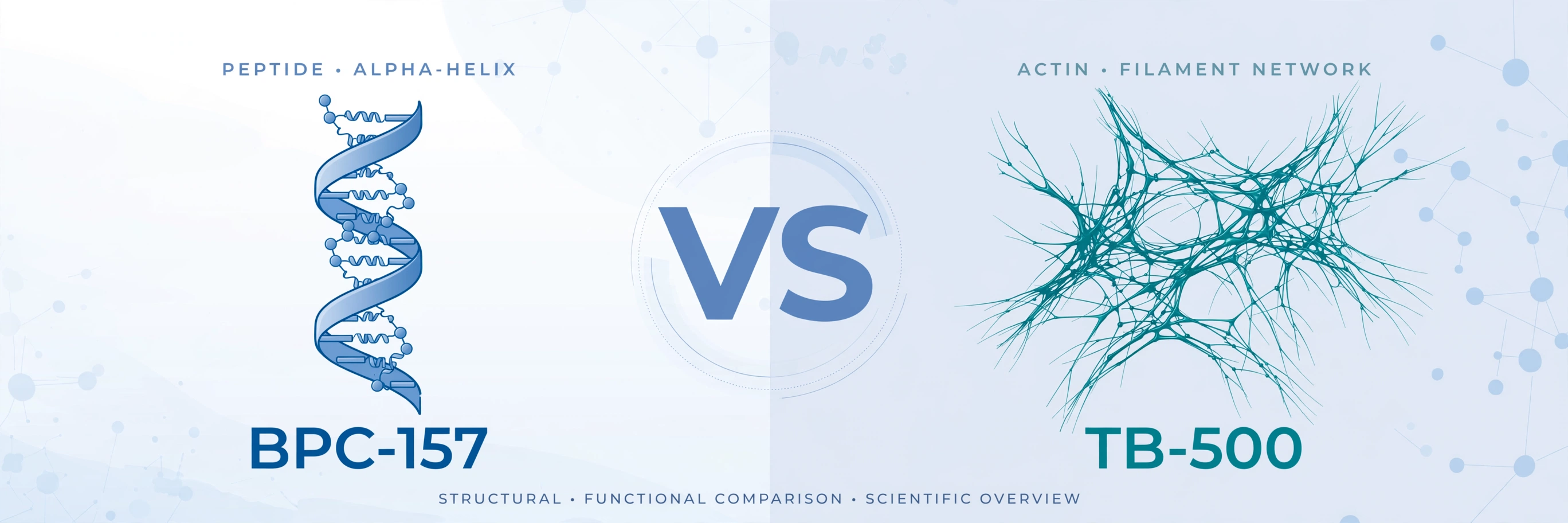
In published preclinical studies, researchers have studied compounds including BPC-157 and TB-500 in animal models of tissue injury, measuring inflammatory markers, cytokine profiles, and histological endpoints. Such work is designed to characterize inflammatory signaling in experimental systems, and findings cannot be extrapolated to any use outside a laboratory.
3. Angiogenesis Markers in Research Models
Thymosin beta-4 fragments have been studied in laboratory models for their relationship to angiogenesis-associated markers, including VEGF expression and endothelial cell migration in vitro. Researchers use these assays to investigate vascular biology in controlled experimental settings.
4. Collagen and Extracellular Matrix Research
In cell culture and animal models, researchers have examined collagen-related peptides and copper-binding peptides such as GHK-Cu for their effects on collagen synthesis markers, fibroblast activity, and extracellular matrix remodeling. These studies focus on matrix biology at the cellular level.
5. Mitochondrial Function in Muscle Cell Models
Investigators have studied mitochondria-targeted peptides in muscle cell lines, measuring markers of mitochondrial membrane potential, cellular respiration, and oxidative stress responses. This research addresses fundamental questions in cellular bioenergetics.
Research Context and Limitations
All findings discussed in this article are preclinical — derived from cell culture or animal research. Such findings do not predict outcomes in any other setting. No NUPEPS product is intended for, or should be used for, any injury recovery, surgical recovery, athletic performance, or physical therapy purpose.
Conclusion
Peptides are established research tools in the published literature on tissue repair processes. NUPEPS supplies these compounds strictly as research materials for qualified laboratories, with third-party verification of identity and purity.
All products are intended strictly for laboratory research and in-vitro use only. Not for human or veterinary consumption, diagnostic, or therapeutic use. Products are not drugs, foods, cosmetics, or dietary supplements and may not be misbranded, misused, or mislabeled.
All products are intended strictly for laboratory research and in-vitro use only. Not for human or veterinary consumption, diagnostic, or therapeutic use. Products are not drugs, foods, cosmetics, or dietary supplements and may not be misbranded, misused, or mislabeled.
Related research products
Compounds discussed in this guide, available for laboratory research.