
Applications
Peptides in Reproductive Endocrine Research: HPG Axis
By NUPEPS Research TeamDecember 4, 2025
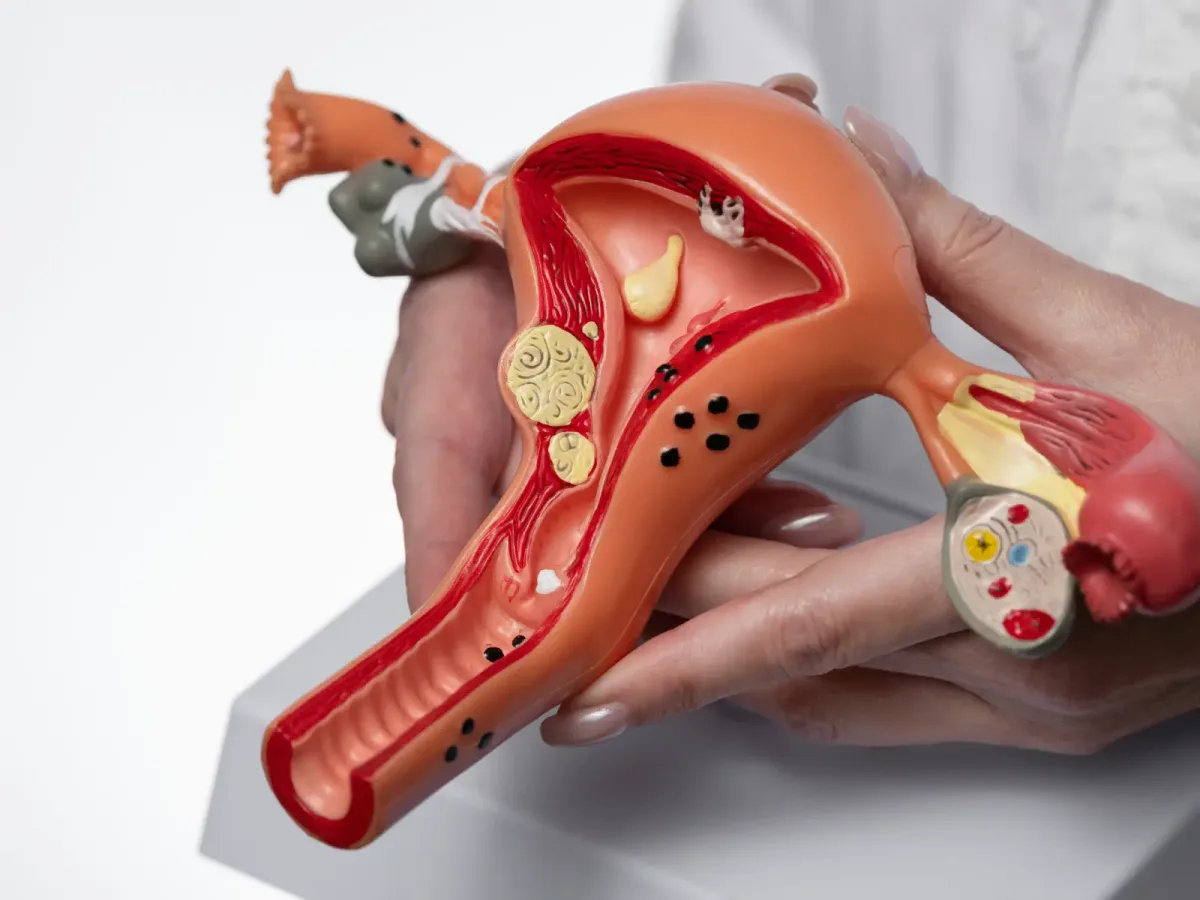
Reproductive health is a key part of human well-being and depends on the proper functioning of the endocrine system. At the center of this system is the hypothalamic-pituitary-gonadal (HPG) axis, which regulates processes such as gamete production, sex hormone balance, fertility, and sexual function. When hormonal signaling becomes disrupted, it can affect fertility, menstrual cycles, and overall reproductive function.
Peptide-based compounds, known for their high specificity and biological activity, are increasingly studied in laboratory research on reproductive endocrine signaling. By targeting hormonal pathways at a mechanistic level, they provide research models for studying infertility-related pathways, hormone signaling, and reproductive endocrine function in controlled settings.
Core Research Areas
1. Ovulation Signaling: Follicular Development Pathways
Researchers study ovulation signaling because of its central role in follicular development. Peptide-based compounds are examined for how they regulate follicle growth by mimicking natural signals such as gonadotropin-releasing hormone (GnRH) or by supplying gonadotropin activity directly.
- GnRH analogs: These analogs are studied for their influence on GnRH receptor activity in the pituitary gland, including premature luteinizing hormone (LH) surge pathways and controlled ovarian hyperstimulation (COH) in assisted reproductive technology (ART) research.
- Gonadotropin-related peptides: Human chorionic gonadotropin (hCG) imitates LH and triggers ovulation in mature follicles. Human menopausal gonadotropin (hMG), which contains both FSH and LH activity, is studied for its role in follicular growth signaling in reproductive research models.
2. Sex Hormone Signaling: Endocrine Regulation Pathways
Researchers study targeted hormonal regulation in models of insufficient or imbalanced sex hormone production.
- Pulsatile GnRH: Studied in research on hypothalamic signaling, this approach replicates natural GnRH secretion patterns in experimental models. Researchers use it to study the release of FSH and LH and downstream gonadal signaling.
- Peptides that influence testosterone and estrogen regulation: Certain synthetic peptides support GnRH neuron activity, indirectly modulating sex hormone levels. These approaches are studied for their relationship to sex hormone levels in endocrine research models.
3. Assisted Reproduction Research: Follicular and Luteal Signaling
Peptide-based compounds are studied across multiple stages of ART research, from follicular growth to luteal support.
- Controlled ovarian stimulation: Combinations of FSH-related peptides and hMG allow precise control over follicle recruitment. As a result, researchers study their relationship to ovarian response markers, including ovarian hyperstimulation syndrome (OHSS) models. Additionally, GnRH antagonists prevent premature LH surges, ensuring the appropriate timing of oocyte maturation.
- Oocyte maturation and luteal support: hCG is studied for its role in final oocyte maturation signaling. In research settings, hCG and GnRH agonists are examined in relation to progesterone production and endometrial signaling.
- Male fertility regulation: Compounds that affect GnRH-dependent pathways can influence LH and FSH secretion, and studied in research on spermatogenesis-related signaling.
4. Sexual Function Modulation: Neuroendocrine Pathway Research
Sexual function is influenced by hormonal signaling and neural pathways. Some peptide-based molecules are used in research to understand how these systems interact.
- Central pathway modulators: Certain investigational peptides act on melanocortin receptors, affecting neural circuits linked to sexual arousal. These pathways are being studied to better understand the causes of sexual dysfunction.
- Hormonal and emotional interactions: Peptides like oxytocin play key roles in bonding behaviors, uterine contractions, and lactation. Growth hormone-related peptides are studied for their influence on testosterone levels and reproductive signaling pathways.
Conclusion
Peptide-based tools are transforming research in reproductive endocrinology by enabling precise study of the HPG axis, neural pathways, and gonadal functions. Their ability to target hormonal mechanisms provides new insights into ovulation signaling, hormone regulation pathways, fertility-related signaling, and neuroendocrine regulation. These advances help broaden our understanding of reproductive physiology and support mechanism-driven approaches in reproductive endocrine research.
Important Disclaimer
All articles and product information on this website serve solely for educational and informational purposes.
We offer products intended strictly for in vitro research use only.
- These products are not medications.
- The U.S. FDA has not evaluated or approved them.
- You must not use them to diagnose, treat, cure, or prevent any disease.
We strictly prohibit using, administering, or introducing these products into humans or animals in any form.
Frequently asked questions
Is Peptides in Reproductive Endocrine Research: HPG Axis for human use?
No. All compounds discussed in this guide are strictly for laboratory research use only. Not for human or veterinary use.
Where can I find the Certificate of Analysis?
Certificates of Analysis are available in our COA library. Each batch is third-party tested for purity and identity.
How should research compounds be stored?
Store according to the vial label instructions. Generally, lyophilized compounds should be kept in a cool, dry place away from light. Refer to the specific product documentation for details.
All products are intended strictly for laboratory research and in-vitro use only. Not for human or veterinary consumption, diagnostic, or therapeutic use. Products are not drugs, foods, cosmetics, or dietary supplements and may not be misbranded, misused, or mislabeled.