What is TB500?

TB500, also known as Thymosin Beta-4, is a peptide consisting of 43 amino acids, originally isolated from thymus tissue. It plays an essential role in physiological processes related to tissue repair, muscle recovery, and cell regeneration.
Melanotan-2: Scientific Tanning and Skin Protection

Melanotan-2 (MT-2) is a synthetic cyclic heptapeptide and an analog of α-melanocyte-stimulating hormone (α-MSH). It primarily interacts with melanocortin 1 receptors (MC1R) on melanocytes, initiating intracellular signaling that promotes melanin synthesis and distribution. Through this mechanism, MT-2 contributes to changes in skin pigmentation, offering a scientific approach to tanning.
Epitalon: Telomere Lengthening and Anti-Aging

Epitalon is a synthetic short peptide recognized for its potential anti-aging effects. By influencing telomeres, the protective structures at the ends of chromosomes,
BPC-157: Repairing Gastrointestinal and Joint Damage

BPC-157 is a stable pentadecapeptide originally identified for its anti-ulcer properties. Remarkably resilient in human gastric juice for over 24 hours, BPC-157 maintains its activity in the gastrointestinal environment, supporting its potential for tissue repair
The Dual Receptor Agonist Mechanism of Tizepatide Obesity

Overview of Tizepatide Obesity is a growing global health concern, closely linked to chronic conditions such as cardiovascular disease and type 2 diabetes. Safe and effective weight management strategies are increasingly important in medical research. Tizepatide offers a novel approach as a dual receptor agonist, acting simultaneously on GIP and GLP-1 receptors to address obesity […]
Semaglutid: Diabetes Treatment and Weight Management
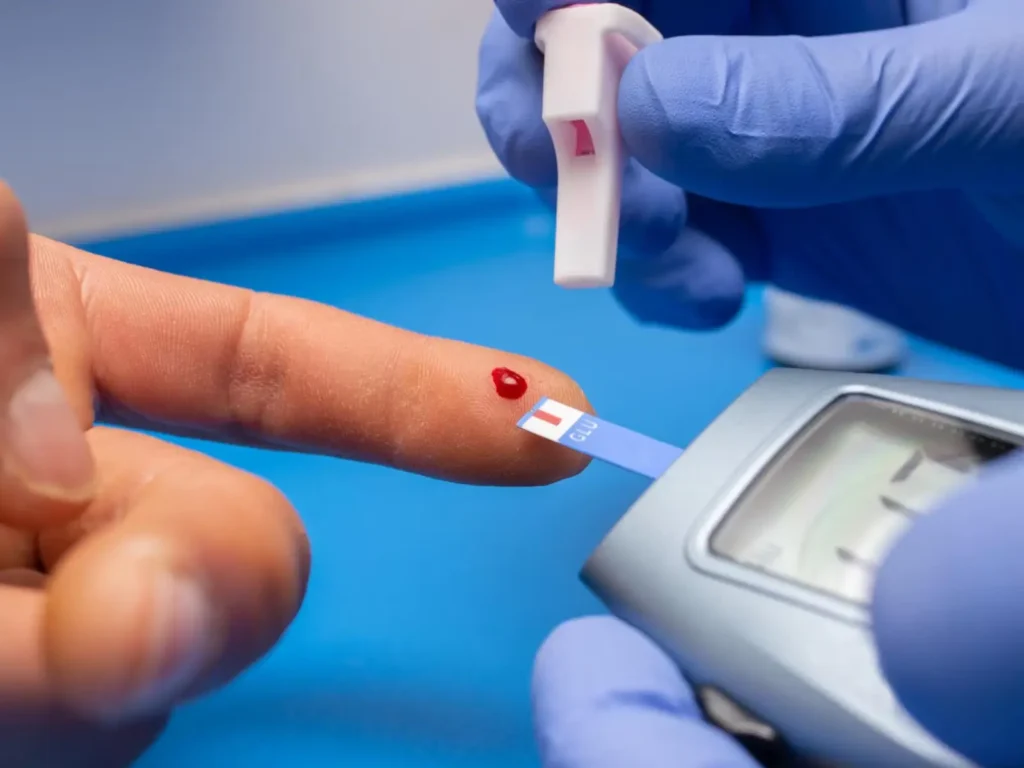
Semaglutid is a glucagon-like peptide-1 receptor agonist (GLP-1 RA), a synthetic analog of the naturally occurring hormone GLP-1, which plays a critical role in regulating blood glucose levels. In people with diabetes, GLP-1 secretion or activity may be insufficient, leading to impaired blood glucose control. Semaglutid binds to GLP-1 receptors, mimicking the hormone’s physiological effects, thereby supporting the management of diabetes and aiding in weight control.
Reproductive Health and Hormonal Regulation
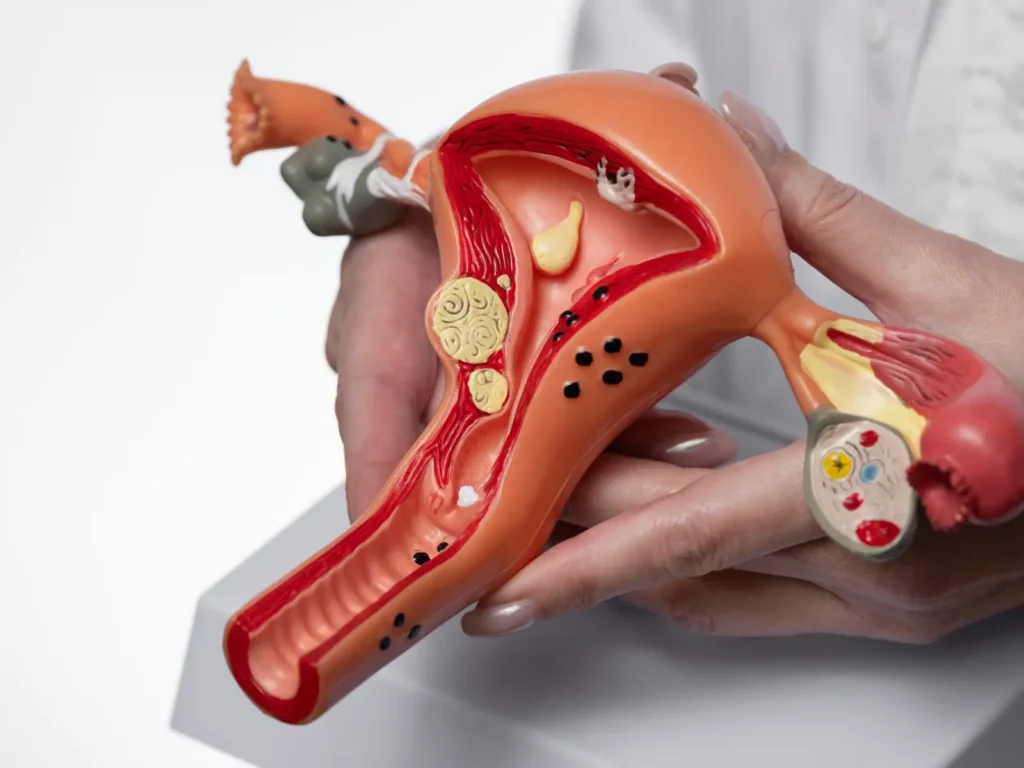
Reproductive health is a key part of human well-being and depends on the proper functioning of the endocrine system. At the center of this system is the hypothalamic-pituitary-gonadal (HPG) axis, which regulates processes such as gamete production, sex hormone balance, fertility, and sexual function. When hormonal signaling becomes disrupted, it can affect fertility, menstrual cycles, and overall reproductive function.
Other Application Areas
Peptide-based substances, known for their structural diversity and high biological activity, offer significant value beyond their well-established roles in metabolic regulation and immune modulation. They are increasingly applied in specialized fields such as respiratory health, cardiovascular protection, and experimental research. By enabling targeted mucosal repair, regulating cardiovascular signaling pathways, and serving as precise molecular tools for scientific studies, peptides overcome limitations of traditional therapeutics and enhance research innovation. Their advantages—high target specificity, low immunogenicity, and customizable synthesis—support their expanding impact across multiple scientific disciplines.
Neurological and Cognitive Health

The nervous system governs cognition, emotion, and overall body function through highly complex signaling and neurotransmitter networks. When these systems are disrupted—whether through degeneration, inflammation, or injury—conditions such as cognitive decline, anxiety, depression, Parkinson’s disease, Alzheimer’s disease, and neural trauma can arise.
Muscle and Tissue Repair
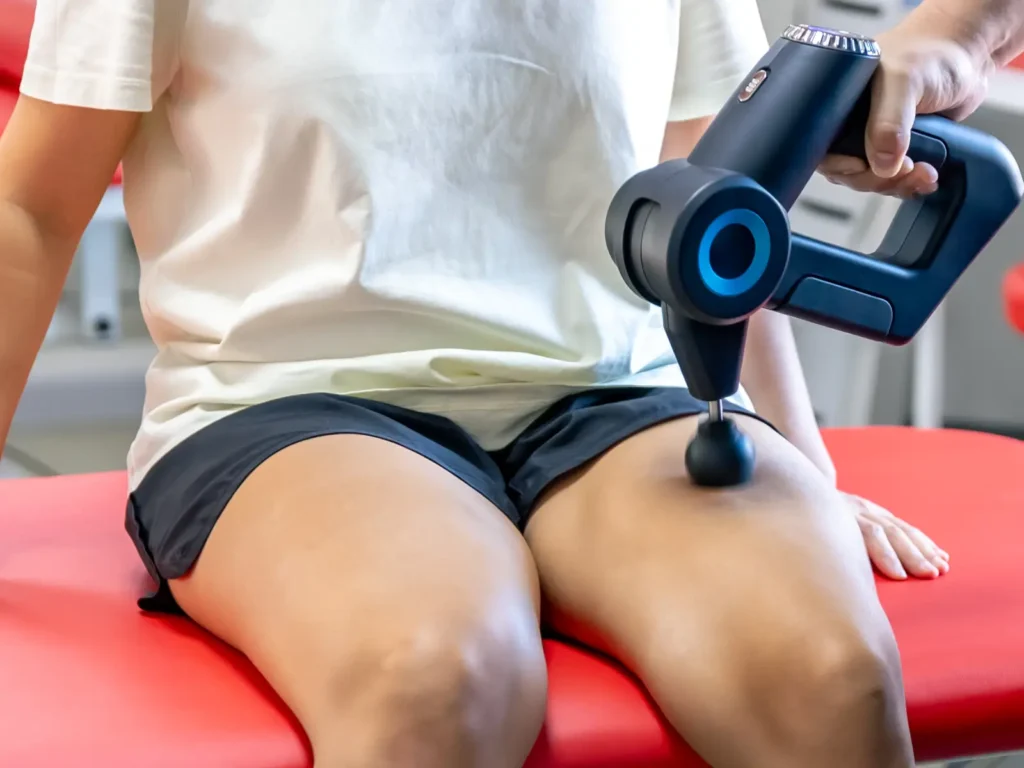
Muscle and tissue repair are essential biological processes responsible for maintaining mobility, structural strength, and recovery after injury. These processes rely on tightly coordinated mechanisms such as cell proliferation, extracellular matrix (ECM) remodeling, angiogenesis, and inflammation regulation. Key areas—such as muscle development, wound healing, joint repair, and recovery from sports injuries—depend on accurate modulation of satellite cells, fibroblasts, cartilage matrix metabolism, and neuromuscular junction repair.