Sign up to our newsletter for 20% OFF
We use essential cookies to keep the store running. With your permission, we'll also use analytics and marketing cookies to understand visits and improve how we reach researchers. You can change your mind anytime via “Cookie settings” in the footer.
The compounds most requested by laboratories working with NUPEPS Peptides. Every batch verified for identity and 99%+ purity by HPLC and mass spectrometry.
7 products
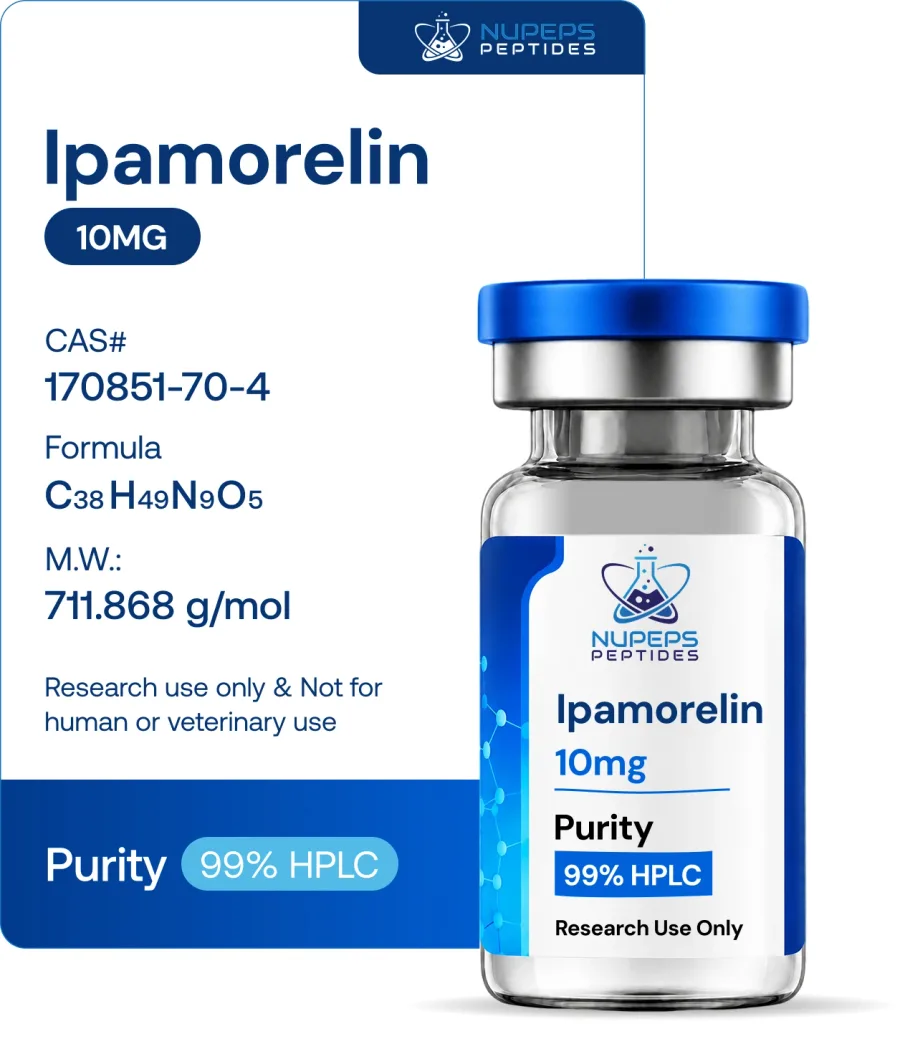
10MG / vial · ≥ 99% purity
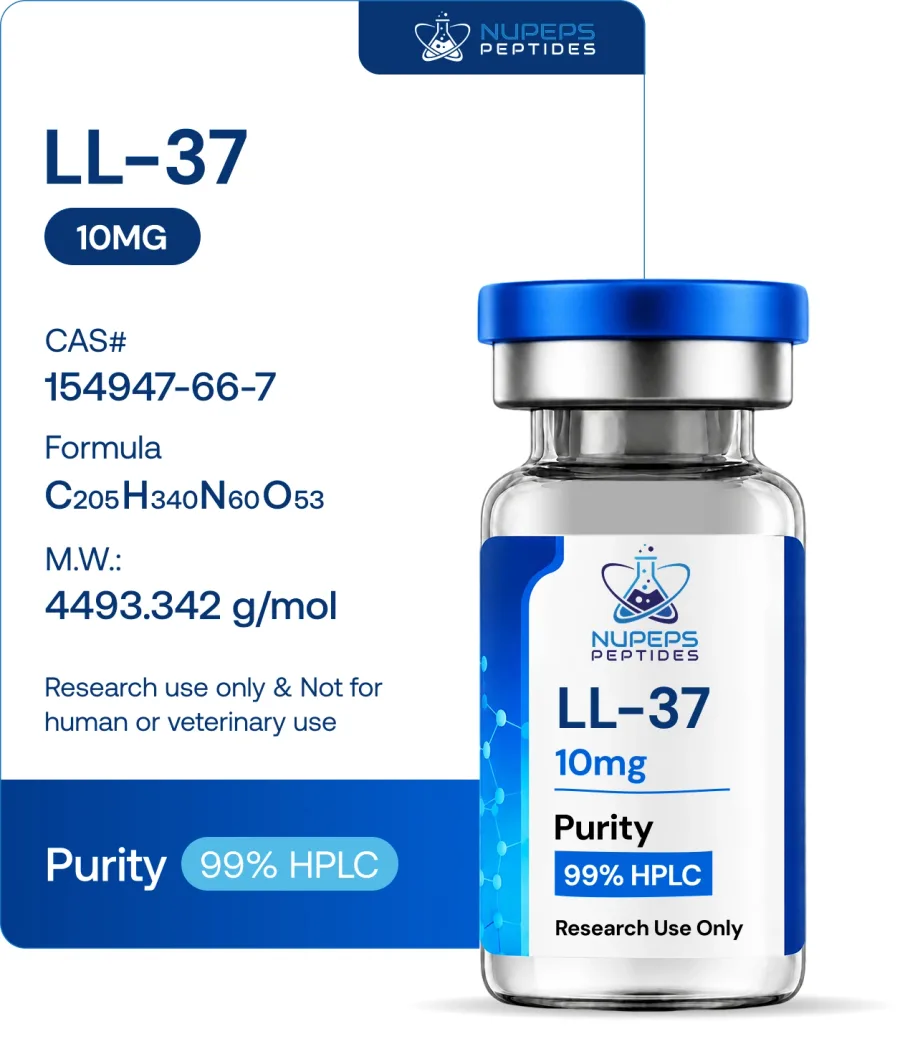
10MG / vial · ≥ 99% purity
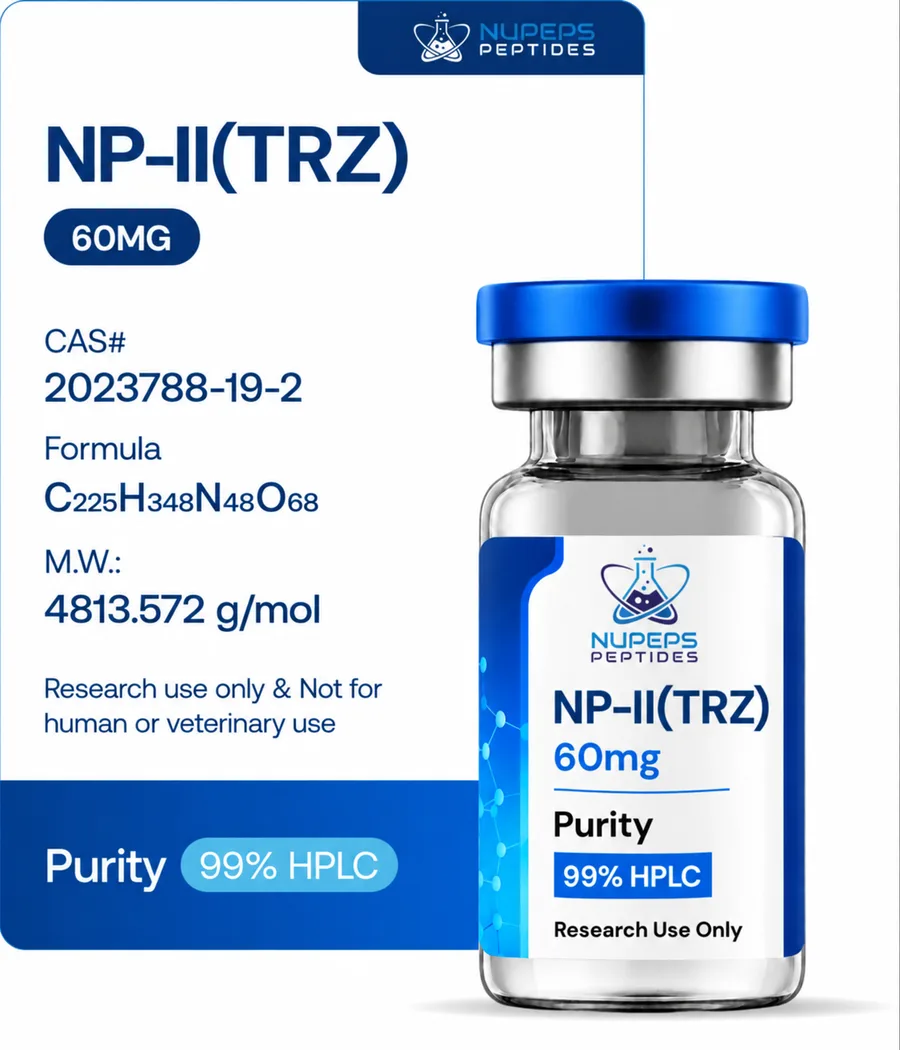
60MG / vial · ≥ 99% purity
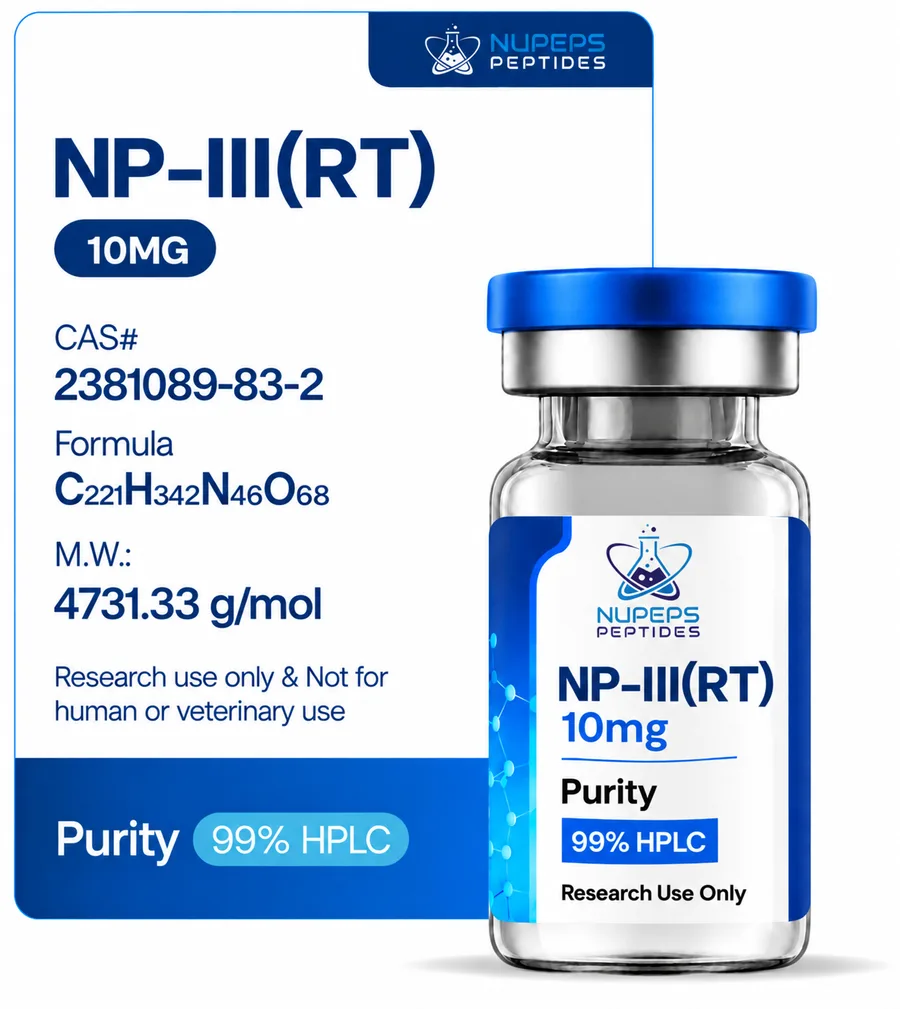
10MG / vial · ≥ 99% purity
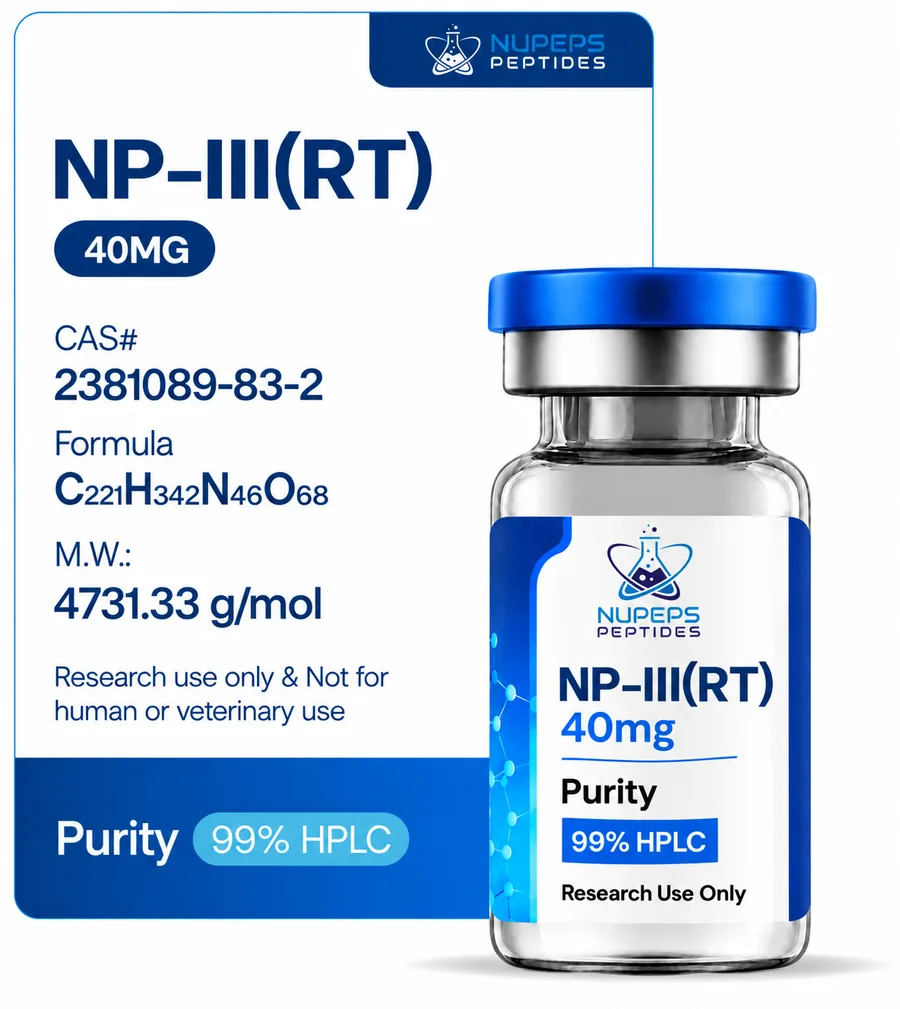
40MG / vial · ≥ 99% purity
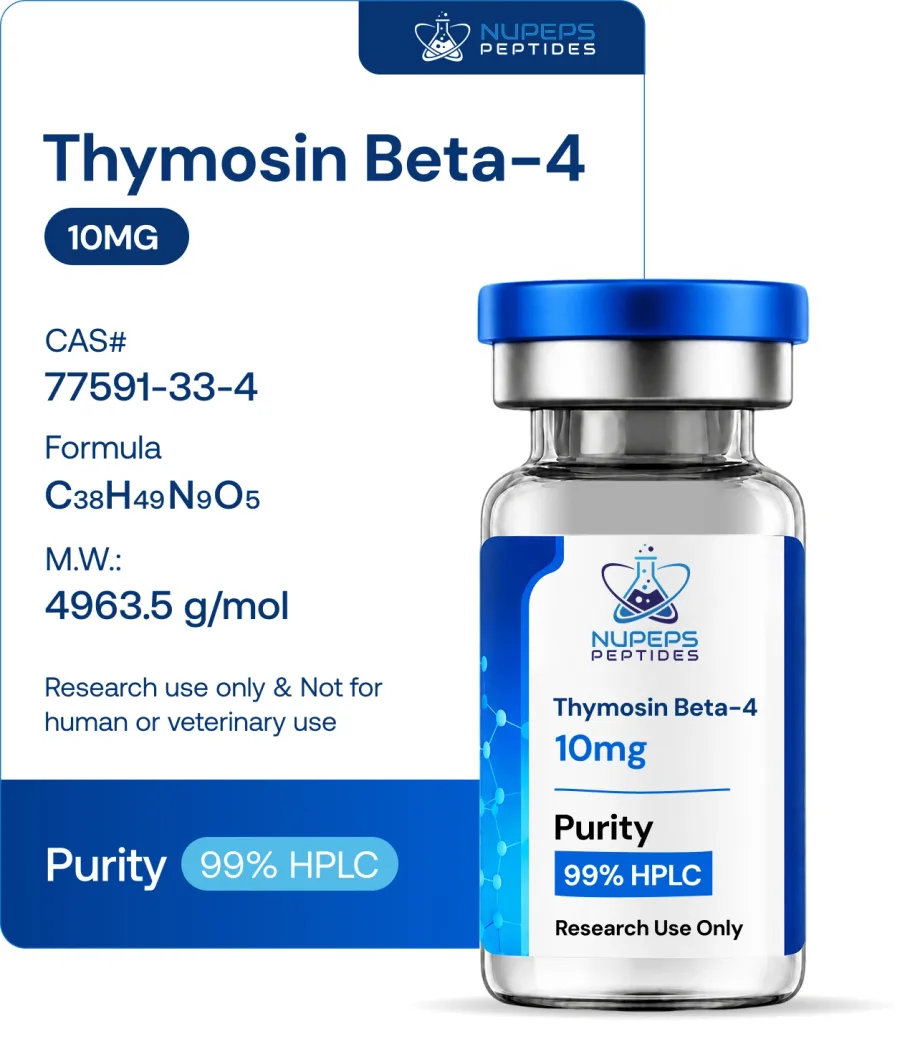
10MG / vial · ≥ 99% purity
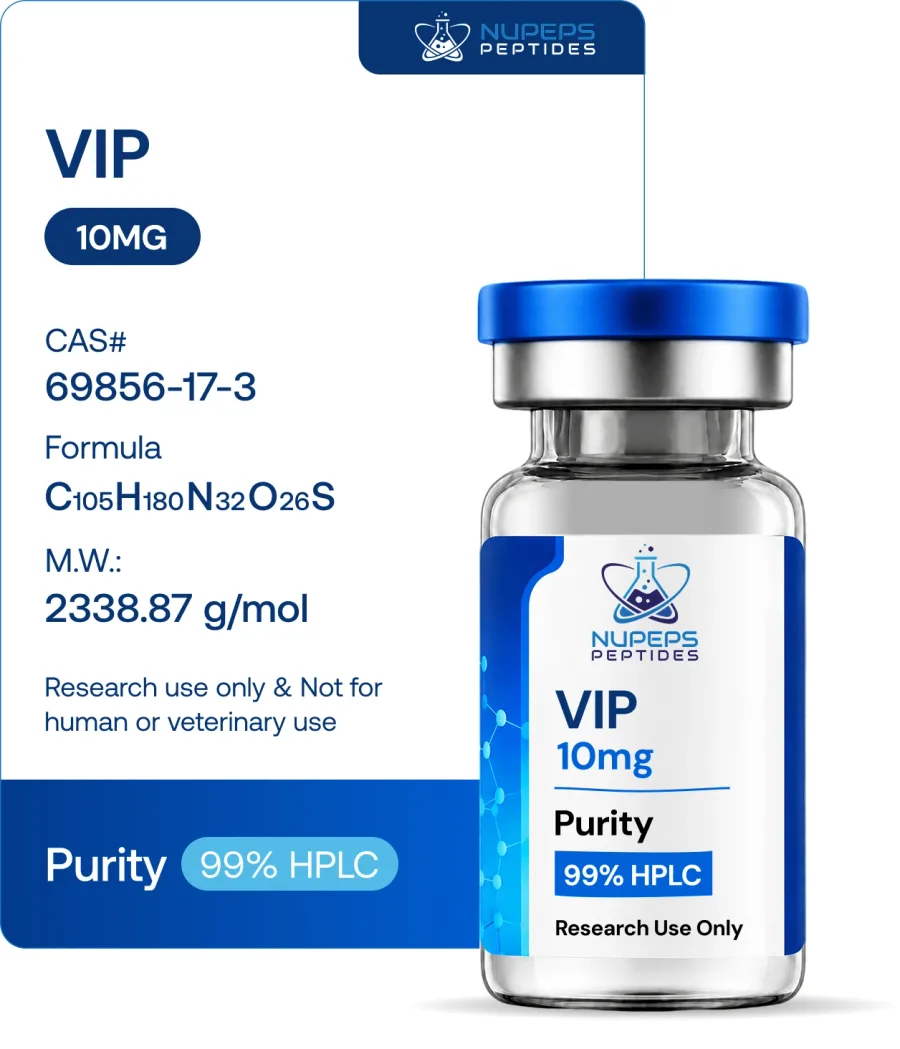
10MG / vial · ≥ 99% purity
This category collects the seven research compounds laboratories request from NUPEPS PEPTIDES most often. It is a cross-section of the wider catalog rather than a single research field: a growth-hormone secretagogue (Ipamorelin 10MG), the human cathelicidin LL-37 10MG, the two multi-receptor metabolic research compounds NP-II (TRZ) 60MG and NP-III (RT) 10MG and 40MG, Thymosin Beta-4 10MG, and VIP 10MG. What unites them is demand — these are the vials research groups reorder, cite in methods sections, and ask our team about first.
The comparisons differ by subfield. In GH-axis work, ipamorelin is studied for its receptor selectivity: it is a ghrelin-receptor agonist that, in its foundational pharmacology, released growth hormone without the ACTH and cortisol activity seen with earlier secretagogues — the subject of our ipamorelin research guide. In metabolic research, the live question is receptor coverage: NP-II (TRZ) is a dual-agonist design and NP-III (RT) a triple-agonist design, and laboratories weigh the published record for each before choosing a material — a distinction we break down in our comparison of the dual- and triple-agonist metabolic compounds. LL-37 is compared on a different axis entirely, as the only human cathelicidin, studied both as a membrane-active peptide and as a signaling molecule in immunity models.
Popularity is not a quality signal — documentation is. Every compound here is supplied with a batch-specific certificate of analysis, and researchers should check three things before designing around any vial: the HPLC chromatogram, which establishes purity (NUPEPS PEPTIDES specifies ≥99%); the mass spectrometry result, which confirms the material's identity against its expected molecular weight; and the batch number, which must match the vial in hand. Our guide to how peptide testing labs verify purity and identity walks through each check, and the current batch reports for these products are published on our COA library.
All products in this category are supplied strictly for laboratory and in-vitro research use only. Not for human or veterinary use.