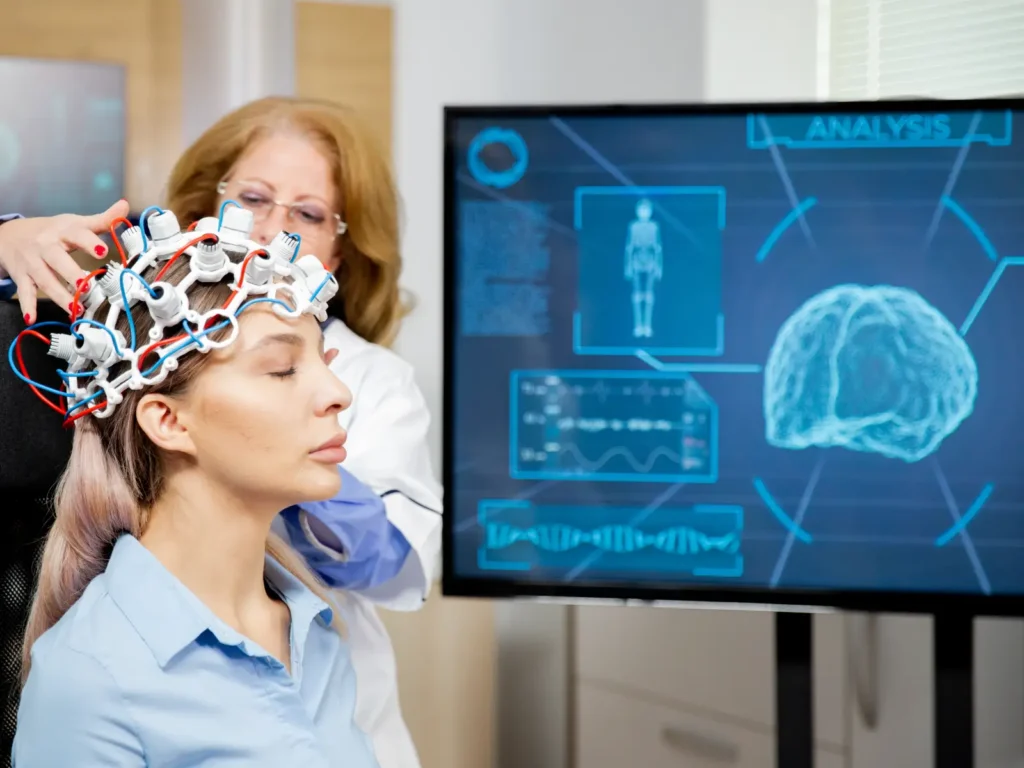
The nervous system governs cognition, emotion, and overall body function through highly complex signaling and neurotransmitter networks. When these systems are disrupted—whether through degeneration, inflammation, or injury—conditions such as cognitive decline, anxiety, depression, Parkinson’s disease, Alzheimer’s disease, and neural trauma can arise.
Peptide substances, known for their bioactivity and ability to influence neural pathways, offer targeted approaches to protect neurons, support cognitive performance, regulate mood, and aid neural repair. Their mechanism-driven precision makes them promising tools for advancing neurological and cognitive research.
Core Application Areas
1. Neuroprotection: Shielding Neurons from Degeneration
Peptides support neuronal survival by counteracting oxidative stress, neuroinflammation, and mitochondrial damage.
- Reducing oxidative stress: Mitochondria-targeted peptides such as SS-31 stabilize the mitochondrial inner membrane and limit excessive reactive oxygen species (ROS). This helps preserve mitochondrial DNA and membrane function, reducing neuron loss in models of neurodegenerative disease.
- Controlling neuroinflammation: Neuropeptide complexes (e.g., Cerebrolysin) help downregulate NF-κB activity, reduce microglial overactivation, and minimize inflammatory responses triggered by β-amyloid. They also promote beneficial neurotrophic factors such as BDNF and NGF.
- Strengthening the blood–brain barrier: Peptides like TB-500 support endothelial tight junction proteins, reducing harmful penetration through the blood–brain barrier and lowering the risk of secondary injury in conditions such as traumatic brain injury.
2. Cognitive Enhancement: Supporting Memory and Learning
Peptide substances can enhance neurotransmission and synaptic function, contributing to improved cognition.
- Boosting synaptic plasticity: Nootropic peptides—including thyrotropin-releasing hormone–mimicking analogs—promote dopamine and norepinephrine release. These effects enhance hippocampal plasticity and improve learning and memory performance.
- Enhancing cholinergic signaling: Certain peptides support acetylcholine transmission, improving synaptic availability and offering potential value for age-related cognitive decline and postoperative cognitive challenges.
- Influencing amyloid: pathways Aβ-targeting peptide segments help reduce aggregation of β-amyloid fibrils, decreasing plaque formation and slowing early degenerative pathways relevant to Alzheimer’s research.
3. Emotional Regulation: Balancing Mood and Stress Pathways
Mood disorders often arise from imbalances in neurotransmission or stress responses. Peptides offer multiple mechanisms of support.
- Modulating GABA and serotonin: pathways Peptides such as Selank enhance GABA_A receptor activity, helping reduce anxiety with a favorable safety profile. Tachykinin-modulating peptides help regulate substance P release and may improve depressive symptoms.
- Regulating the stress response: Oxytocin-like peptides assist with prefrontal-amygdala regulation, lowering cortisol levels and supporting emotional processing in stress-related conditions.
- Restoring neuroplasticity: BDNF-derived peptides encourage dendritic spine growth and help rebuild synaptic density affected by chronic stress, contributing to long-term mood stabilization.
4. Neural Injury Repair: Supporting Regeneration and Functional Recovery
Neural injuries are difficult to reverse, but certain peptide substances help overcome barriers to regeneration.
- Stimulating axonal regrowth: NGF-mimicking peptides activate TrkA receptors, promoting axon elongation and enhancing recovery in peripheral nerve injury models. Chondroitinase-related peptides help clear inhibitory proteoglycans, improving regeneration conditions in spinal cord injuries.
- Supporting Schwann cell function: Peptides such as BPC-157 promote Schwann cell proliferation and myelin repair, aiding nerve conduction and helping reduce neuropathic symptoms.
- Mobilizing stem cells: FGF-2–derived peptides encourage neural stem cells to migrate to injury sites and differentiate into neurons or glial cells, offering a foundation for long-term neural reconstruction.
Conclusion
Peptide substances introduce a new paradigm in neurological and cognitive research—one that moves beyond symptom management toward targeted neural support and regeneration. By influencing oxidative stress, synaptic plasticity, neuroinflammation, and regenerative signaling, peptides demonstrate strong potential across neuroprotection, cognitive enhancement, mood regulation, and nerve repair. They continue to play an expanding role in the research and understanding of complex neurological conditions.
Educational & Research-Only Notice
All articles and product information on this website are for educational purposes only.
Products offered on this website are intended strictly for in vitro research use only.
- These products are not medications.
- They have not been evaluated or approved by the U.S. FDA.
- They are not intended to diagnose, treat, cure, or prevent any disease.
- It is strictly prohibited to use, administer, or introduce these products into humans or animals in any form.