Metabolic and Endocrine Regulation
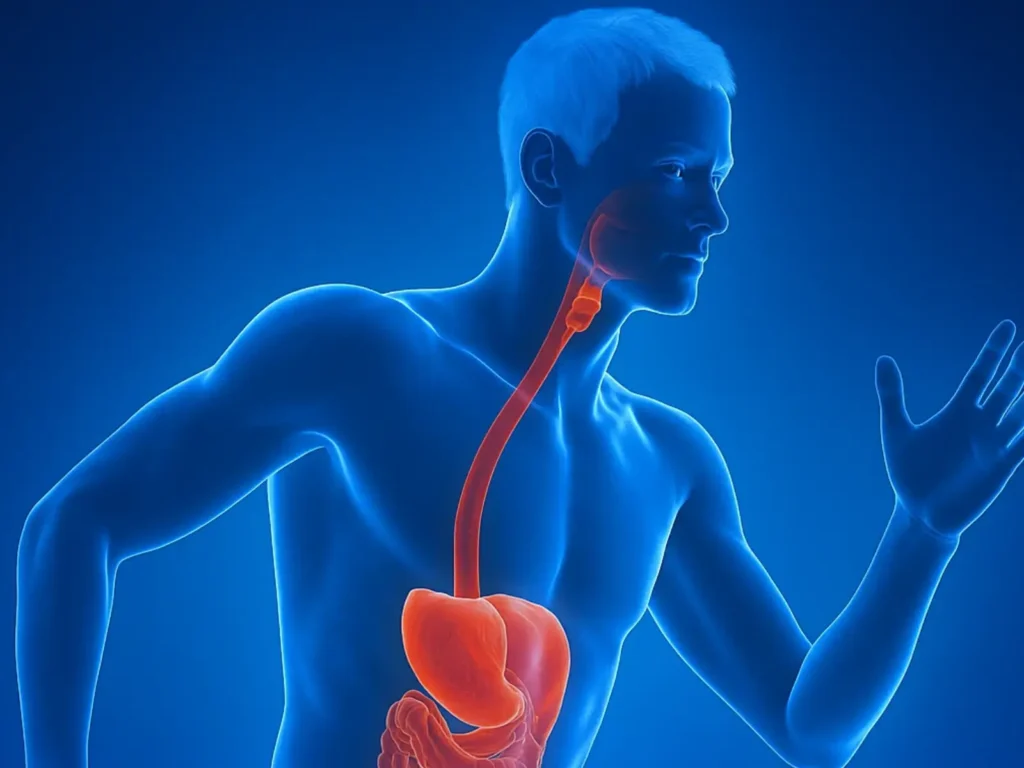
The metabolic and endocrine systems work together to maintain energy balance, material metabolism, growth, and overall physiological stability. When this balance is disrupted, conditions such as diabetes, obesity, metabolic syndrome, and growth disorders can occur. Factors like poor diet, sedentary habits, lack of sleep, stress, and environmental triggers can disturb hormonal signaling, cause inflammation, and negatively affect metabolic health.
Immunity and Anti-inflammation
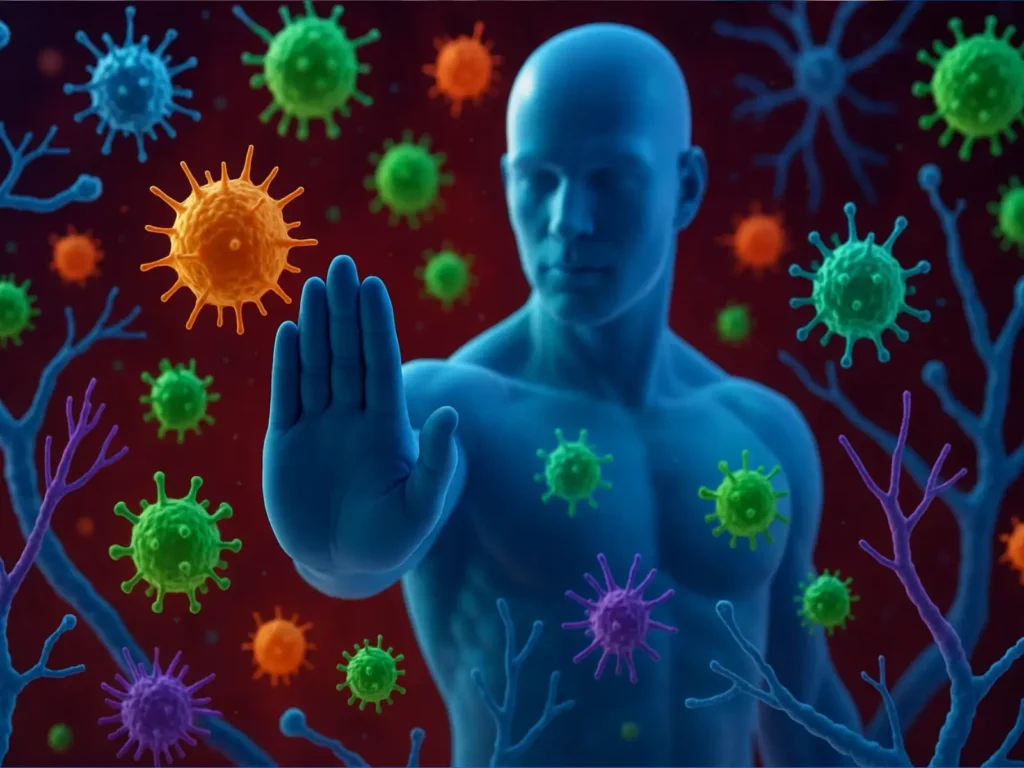
The immune system maintains balance in the body through a highly coordinated network of cells, receptors, and signaling molecules. When this system becomes dysregulated, it can lead to infections, chronic inflammation, or autoimmune disorders. Effective immune support and anti-inflammatory regulation require precise control over immune cell activity, inflammatory signaling pathways, and mechanisms that maintain immune tolerance.
Antioxidation and Liver Health
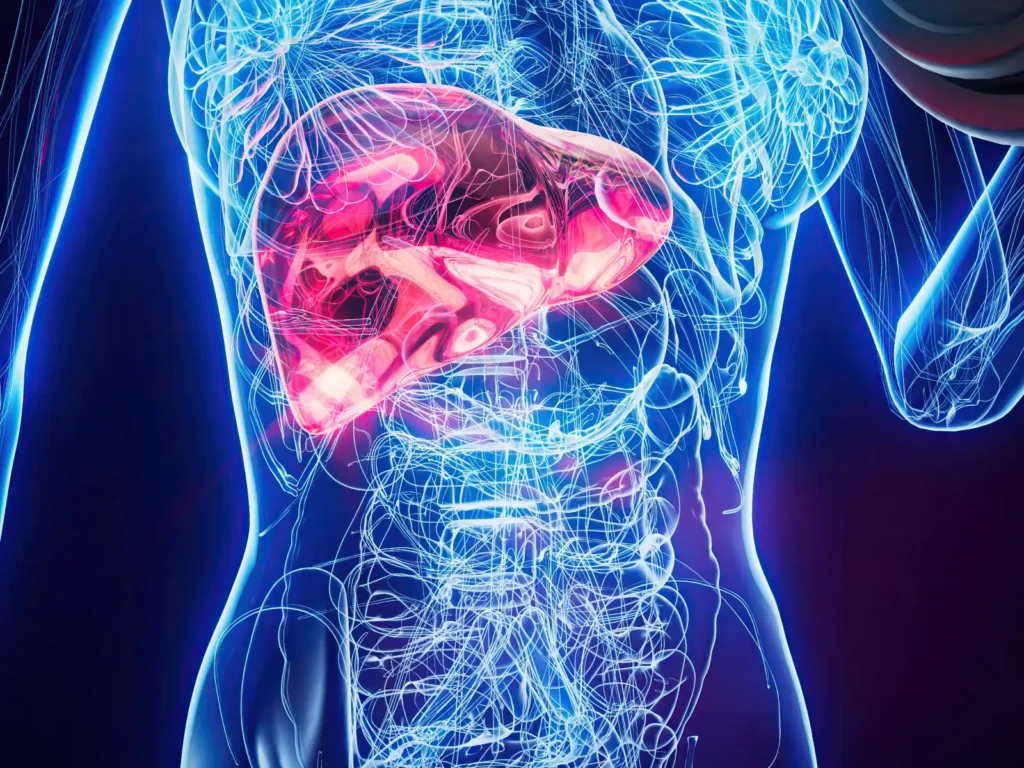
The liver is one of the body’s most important metabolic and detoxification organs. It performs essential functions including biosynthesis, energy storage, and the clearance of harmful substances. Factors such as oxidative stress, toxin buildup, and metabolic imbalance contribute to liver injury, fatty liver disease, and the development of fibrosis.
Peptides Purity
NUPEPS Peptides delivers peptides with purity levels exceeding 99%, achieved through advanced production technologies and a comprehensive.
Peptides and Amino Acids
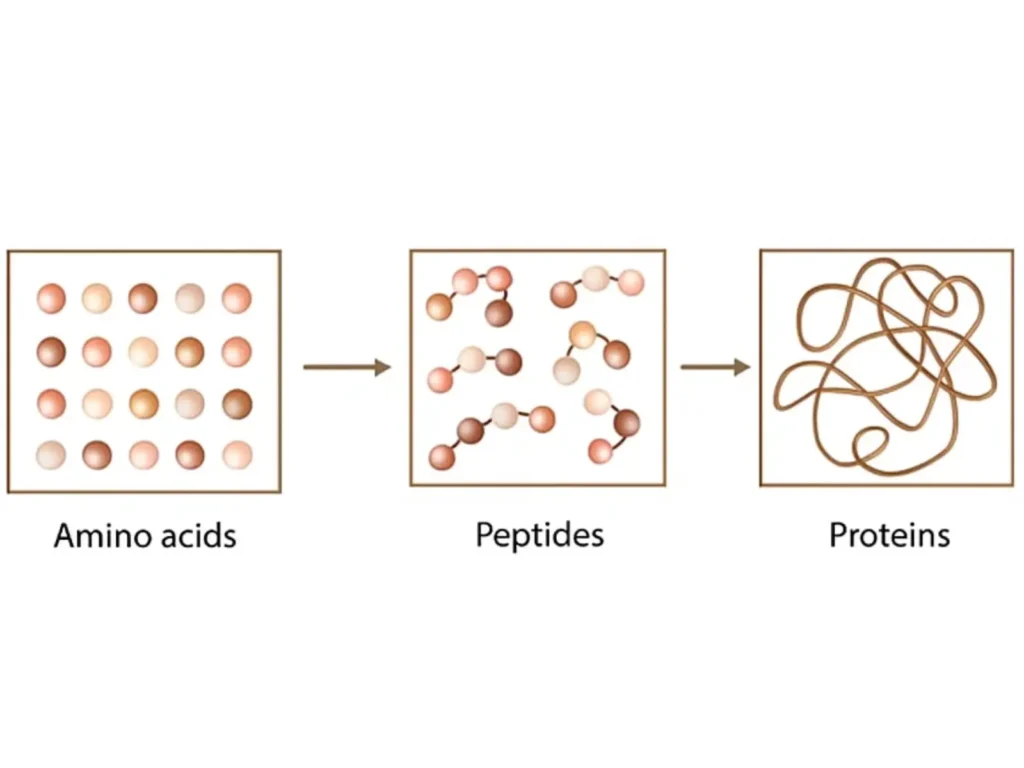
Introduction to Amino Acids and Peptides Amino acids are organic molecules that contain both an α-amino group (–NH₂) and an α-carboxyl group (–COOH). With the general structure RCH(NH₂)COOH, each amino acid’s properties are defined by the chemical nature of its side chain (R group). There are 20 naturally occurring amino acids involved in protein formation. […]
Peptide Synthesis

Peptide synthesis is the process of assembling amino acids into defined sequences through the formation of amide (peptide) bonds. This enables the creation of custom oligopeptides and polypeptides with specific biological functions. As a core discipline of bioorganic chemistry, peptide synthesis encompasses:
Peptide Solubility
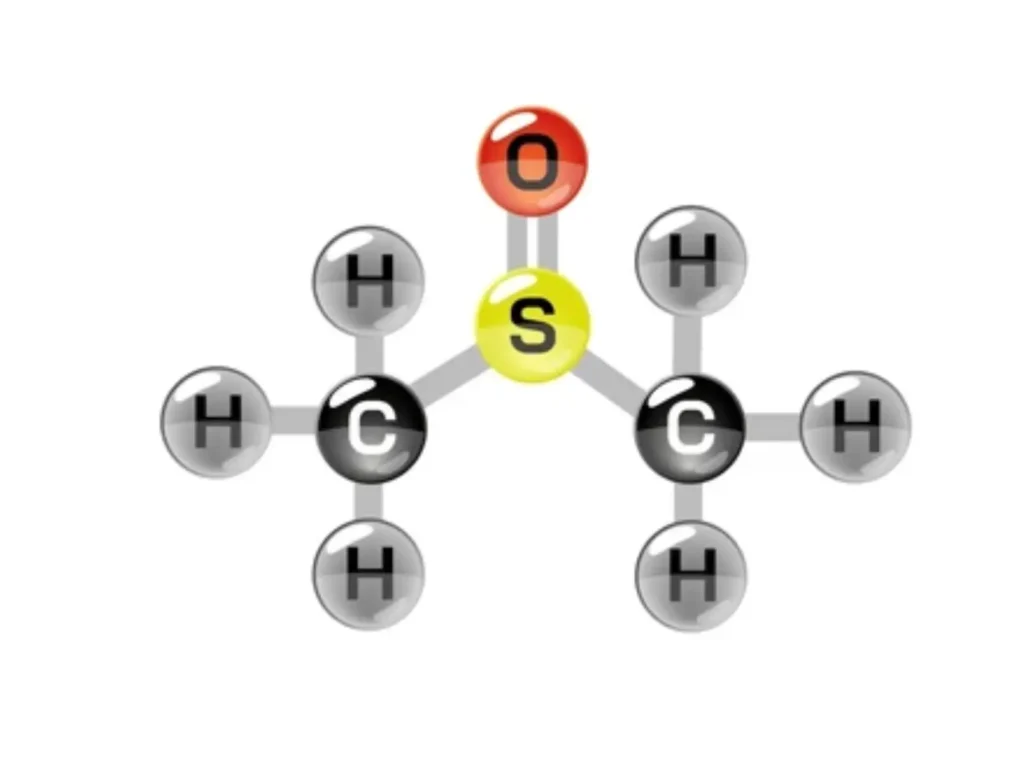
Peptide solubility describes the maximum amount of a peptide that can dissolve in a given solvent under defined temperature and pH conditions. It is typically expressed as mass concentration (g/L) or molar concentration (mol/L). Solubility is a fundamental physicochemical property that influences:
Peptide Bond
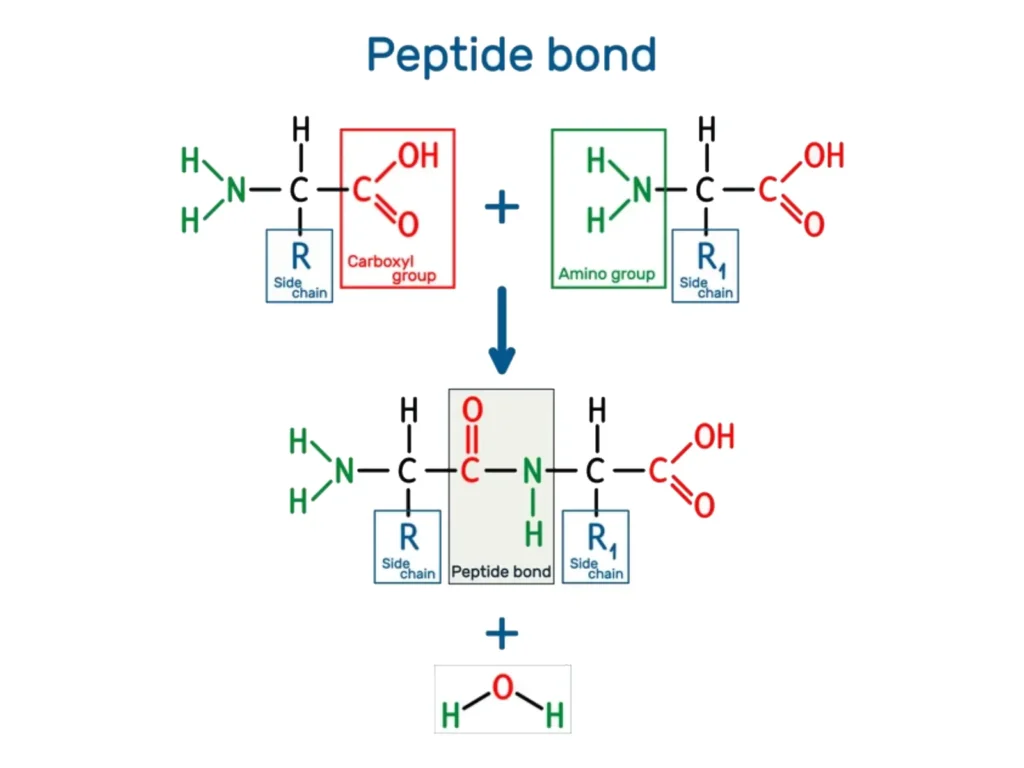
A peptide bond is a key covalent linkage found in proteins. It forms through a dehydration condensation reaction between the α-carboxyl group (α-COOH) of one amino acid and the α-amino group (-NH₂) of the next. Chemically, it is an amide bond.
This connection forms the backbone of a polypeptide chain: amino acids are linked from the N-terminus to the C-terminus through repeating peptide bonds. Because of partial double-bond character between the carbonyl carbon (C=O) and the nitrogen (-NH-), the peptide bond is rigid and planar. This rigidity is essential for how proteins fold into higher-order structures.
Introduction to Peptides
The word peptide originates from the Greek “πέσσειν” (péssein), meaning to digest. Peptides are compounds formed when amino acids link together through peptide bonds—a type of amide bond created during a dehydration condensation reaction between the α-carboxyl group of one amino acid and the α-amino group of another.
Peptides for research

Research peptides are synthetically designed molecules created in laboratories to support scientific investigation. Their primary role is to facilitate in vitro research, such as cell culture studies, molecular interaction analyses, and biochemical assays. While these peptides do not directly affect human or animal physiology, they are essential tools for understanding biological mechanisms, testing theoretical hypotheses, and screening potential molecular structures. By providing this foundational insight, research peptides help advance the early stages of drug discovery under strictly controlled laboratory conditions.