
Precision peptides for serious research.
Analytically evaluated peptides and blends, produced under controlled conditions and verified by HPLC and mass spectrometry — with published certificates of analysis.
- 99%+
- Verified purity
- 24h
- Fast dispatch
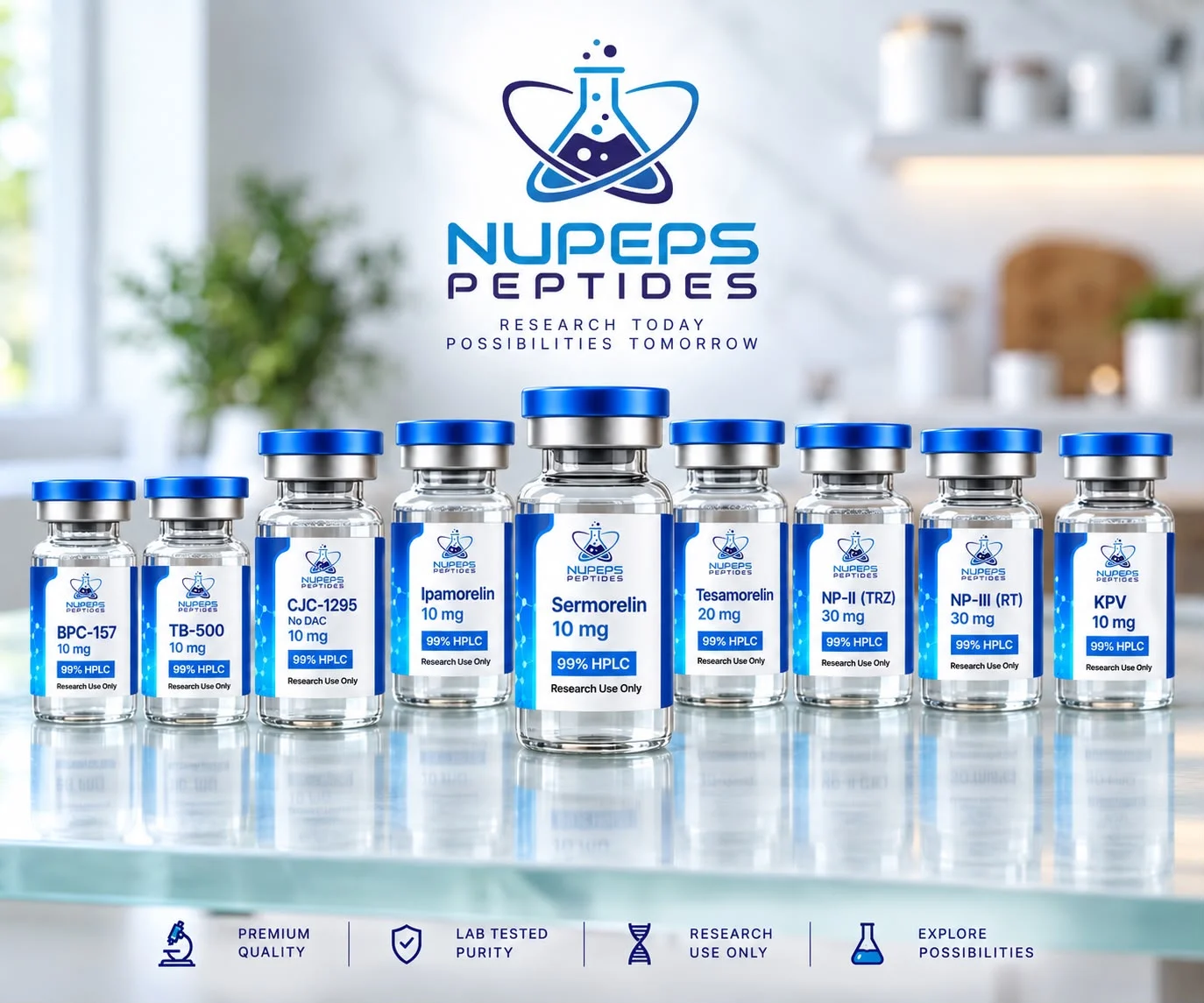
HPLC + MS
Identity verified
Our most ordered compounds
The peptides researchers come back for, each supplied with a published certificate of analysis.
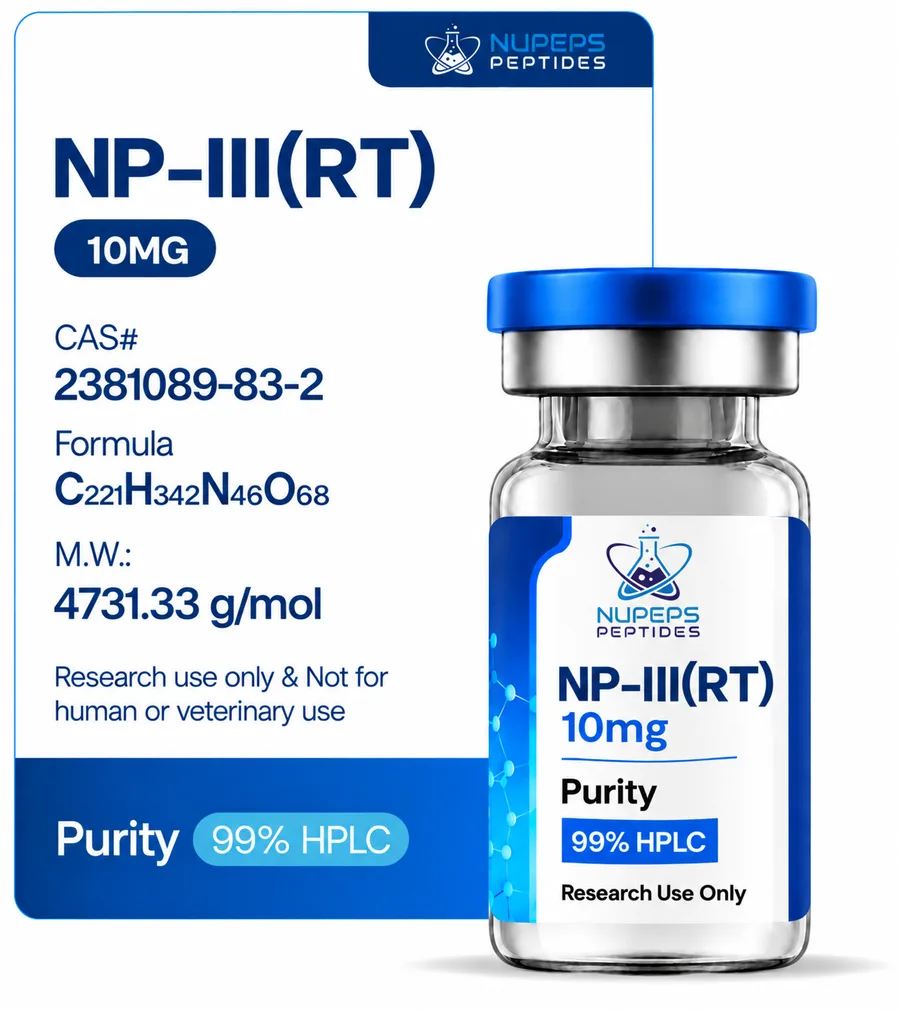
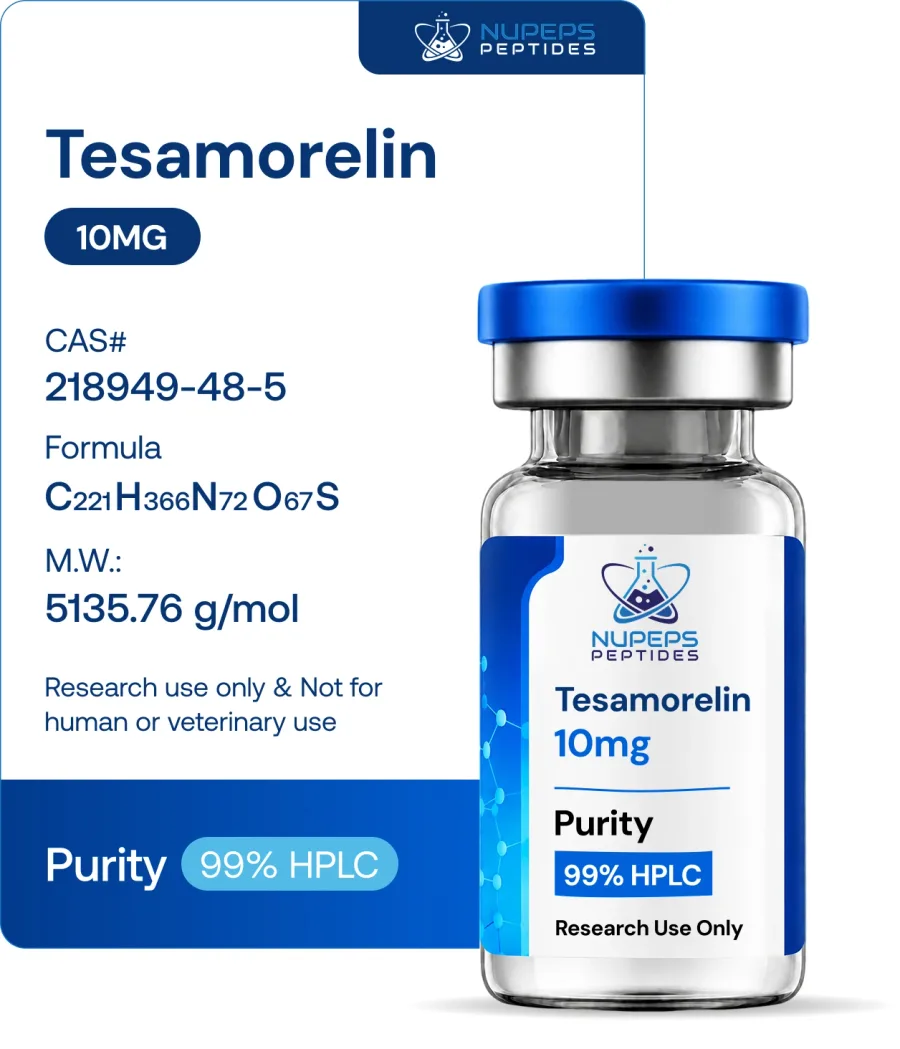
Organized for the way you research
Seven focused collections — from metabolic and recovery compounds to longevity, cosmetic and combined-pathway blends.
Featured research peptides
A selection of our most analytically evaluated compounds, each supplied with full documentation.
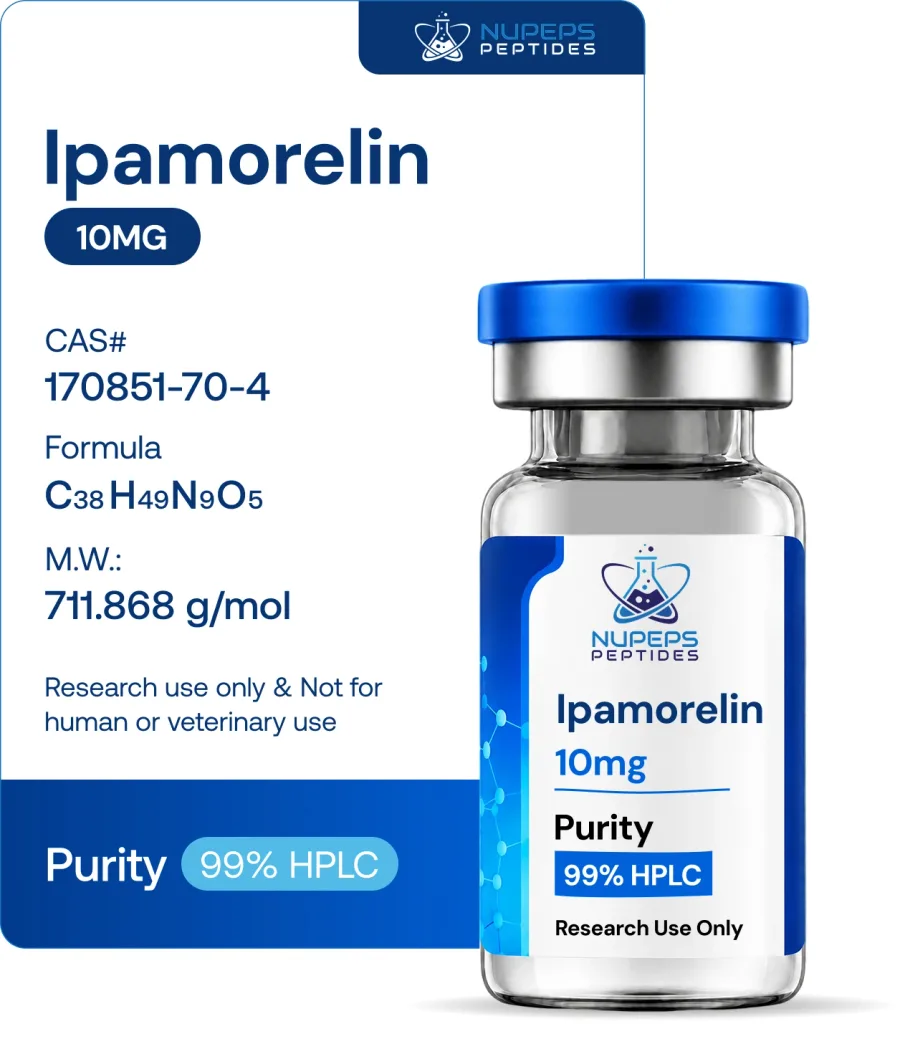
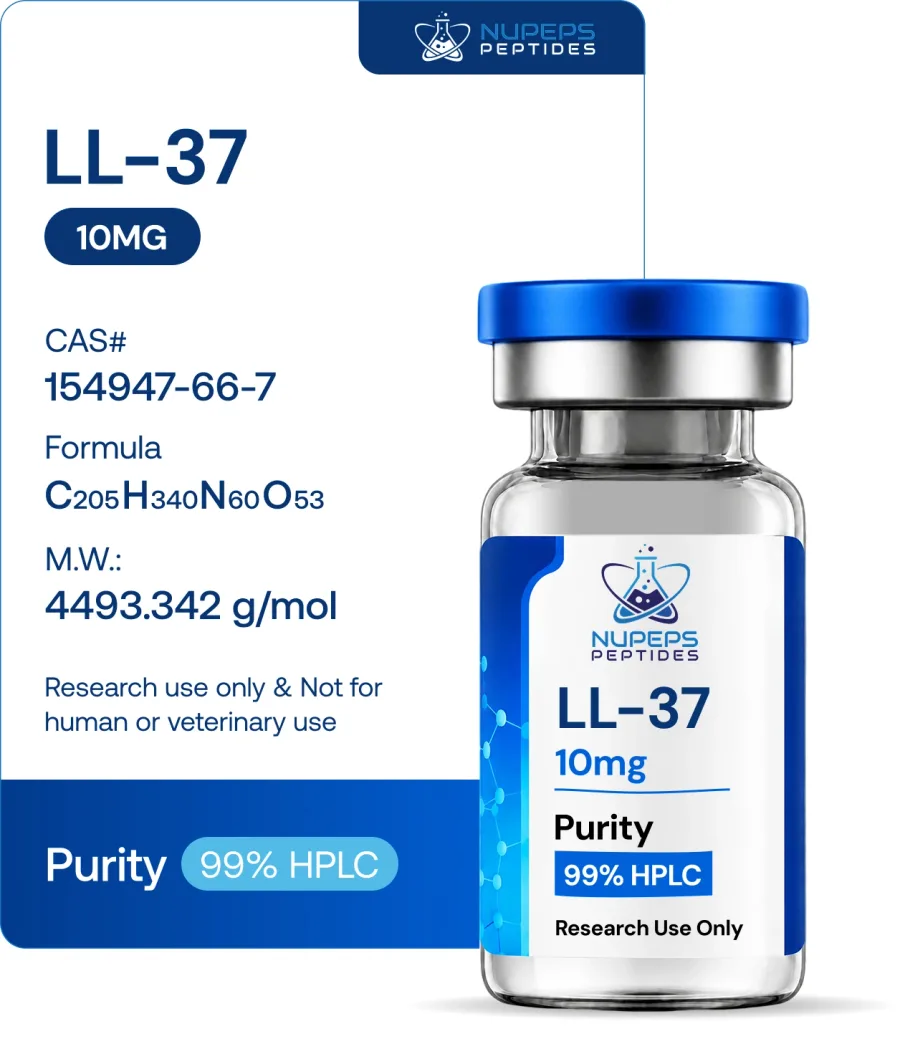
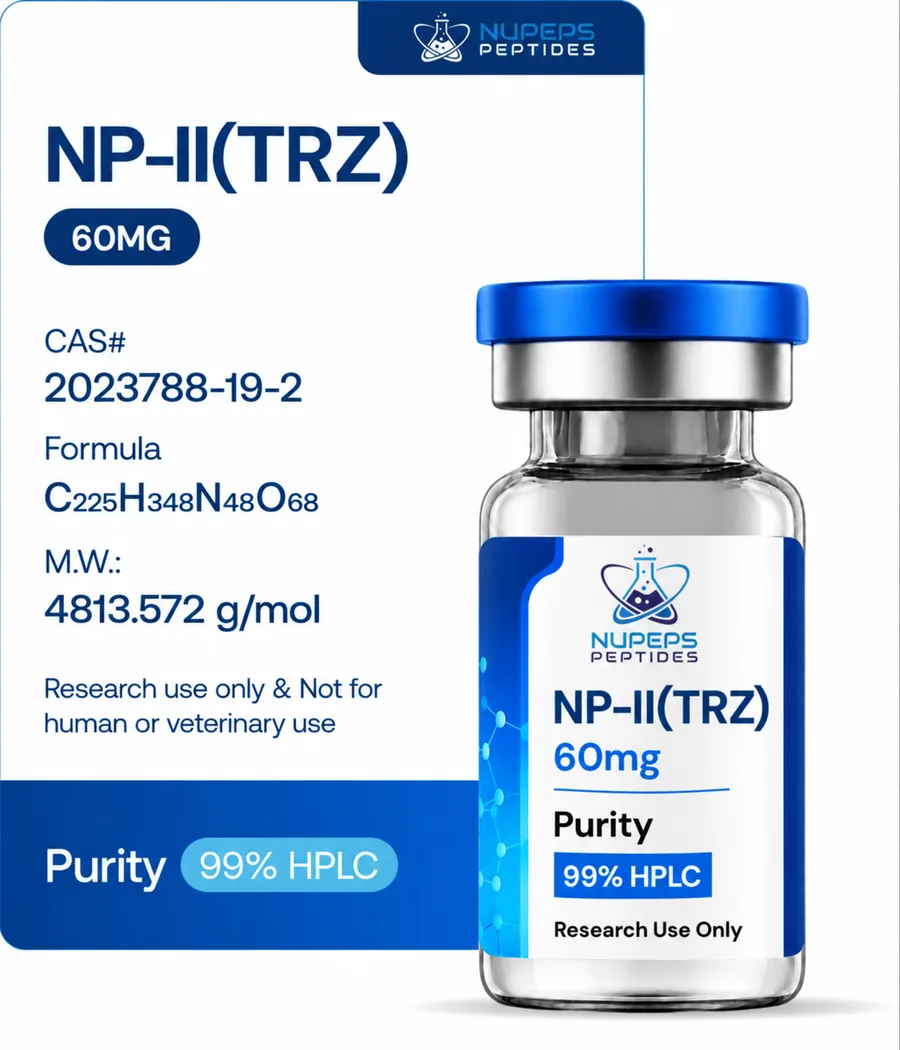
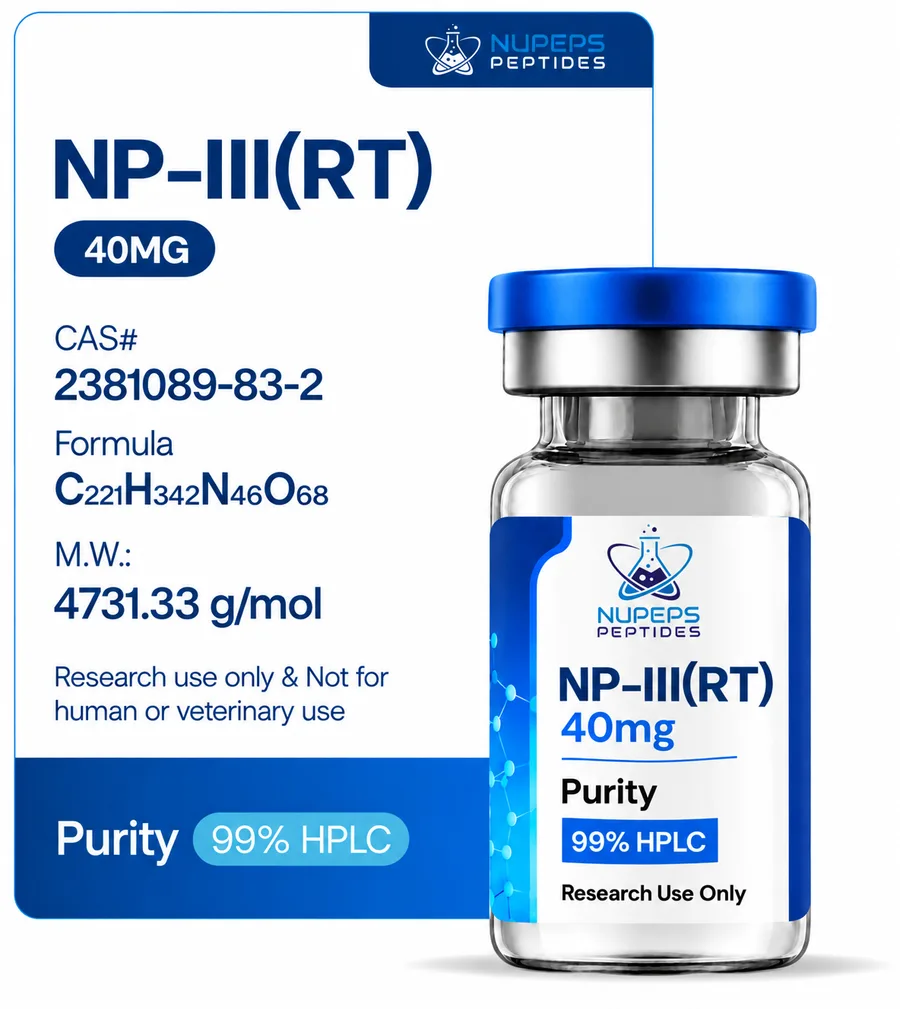
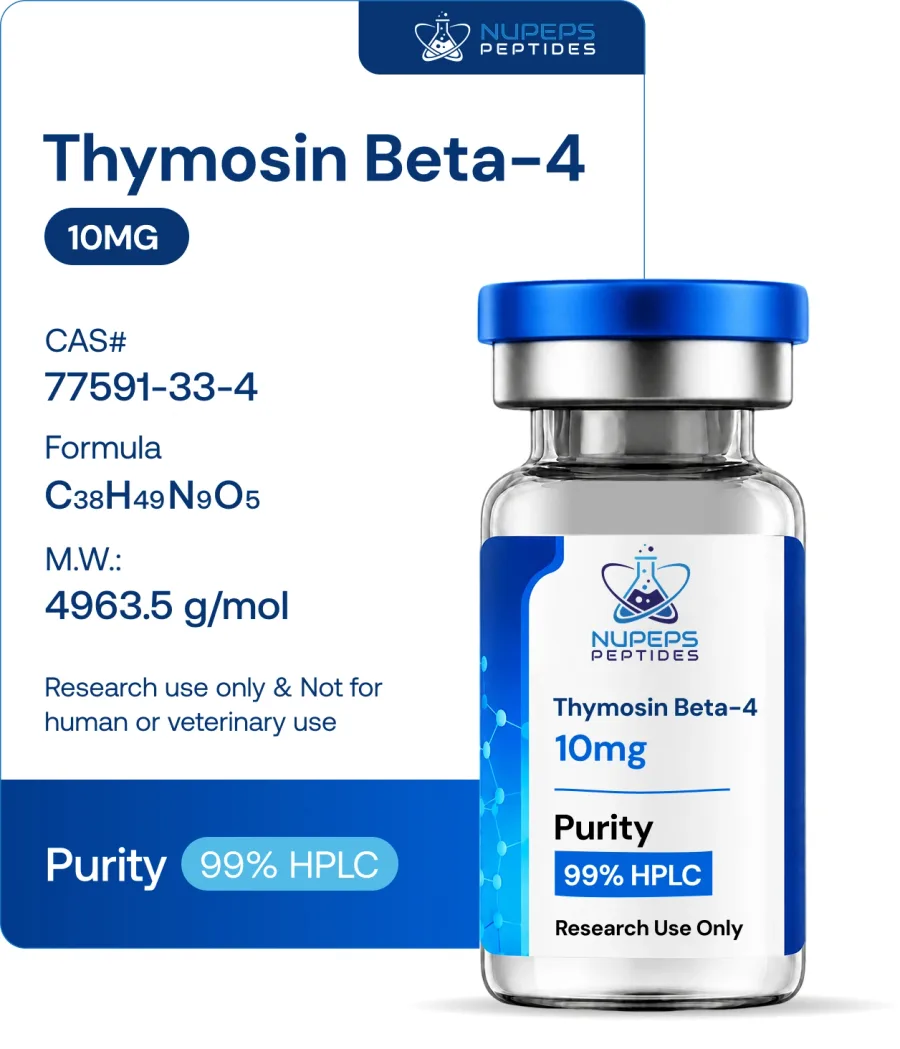
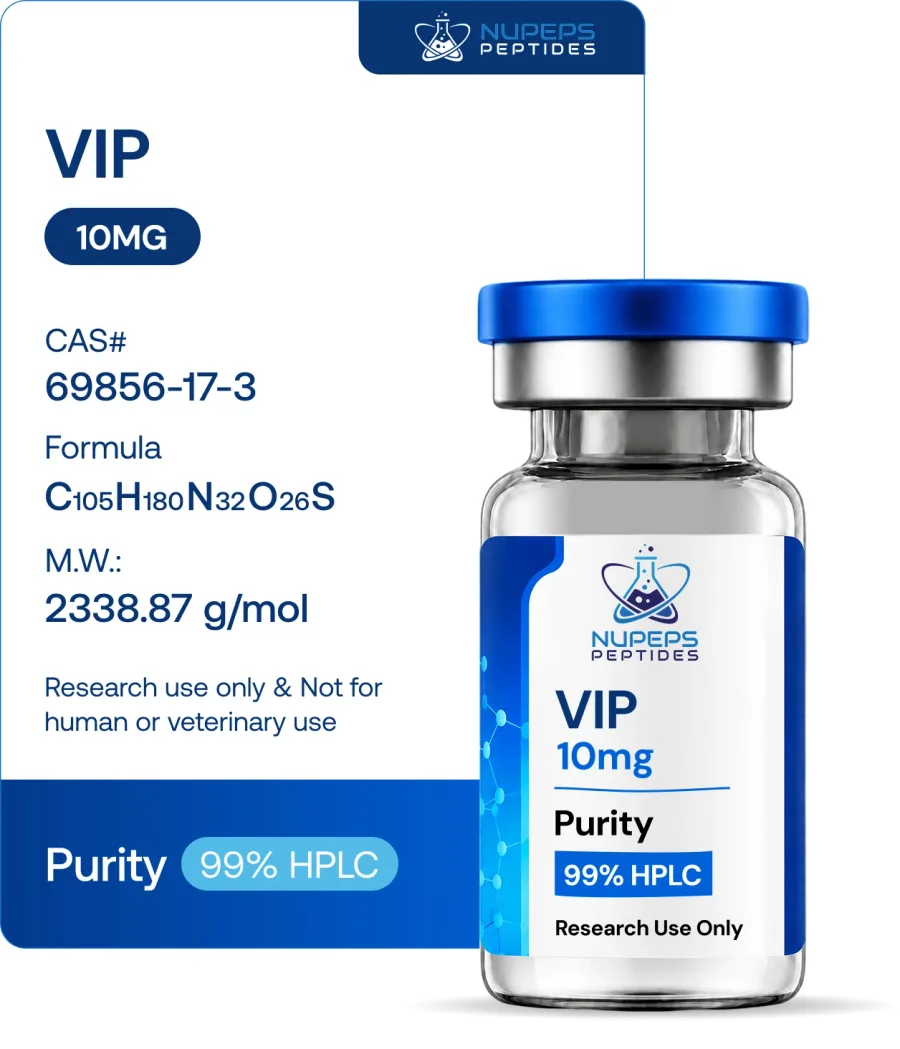
Top products by category
The most requested compounds from each collection. Open any category to see its full range, specifications and documentation.
All
The full NUPEPS Peptides research catalog, supplied for laboratory and in-vitro use only.
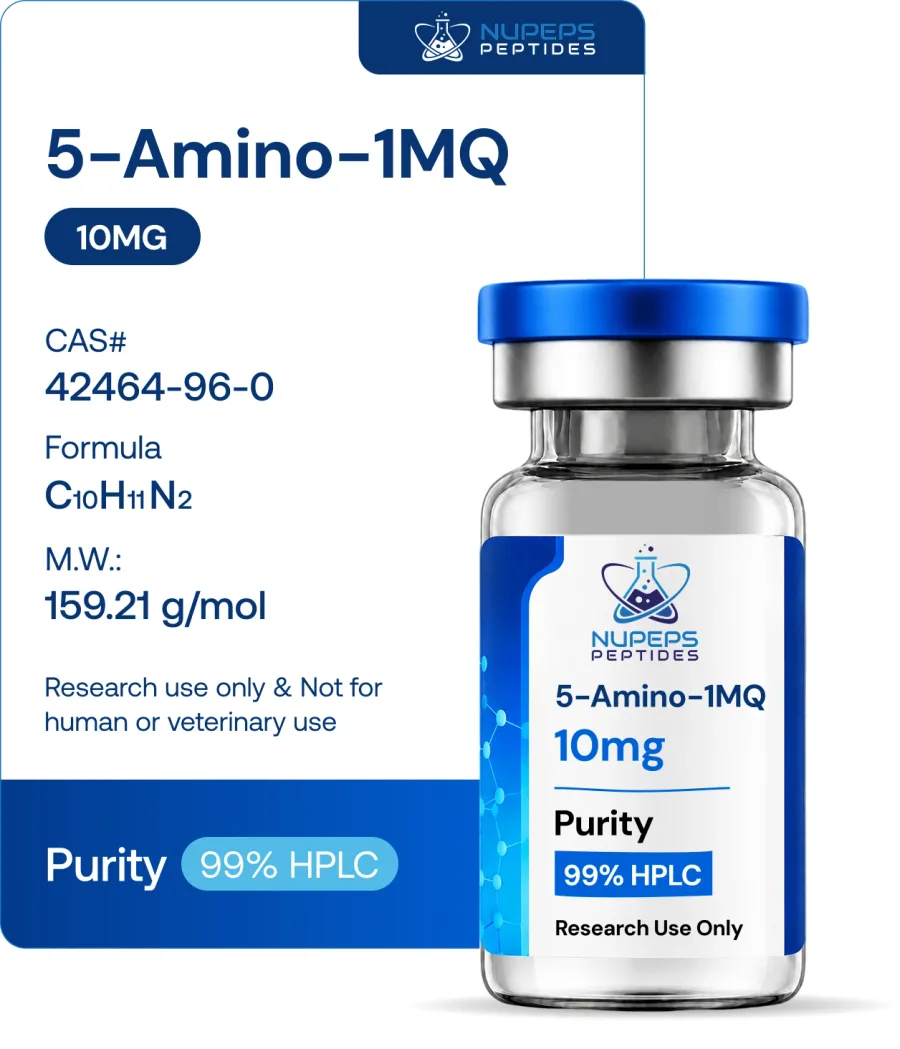
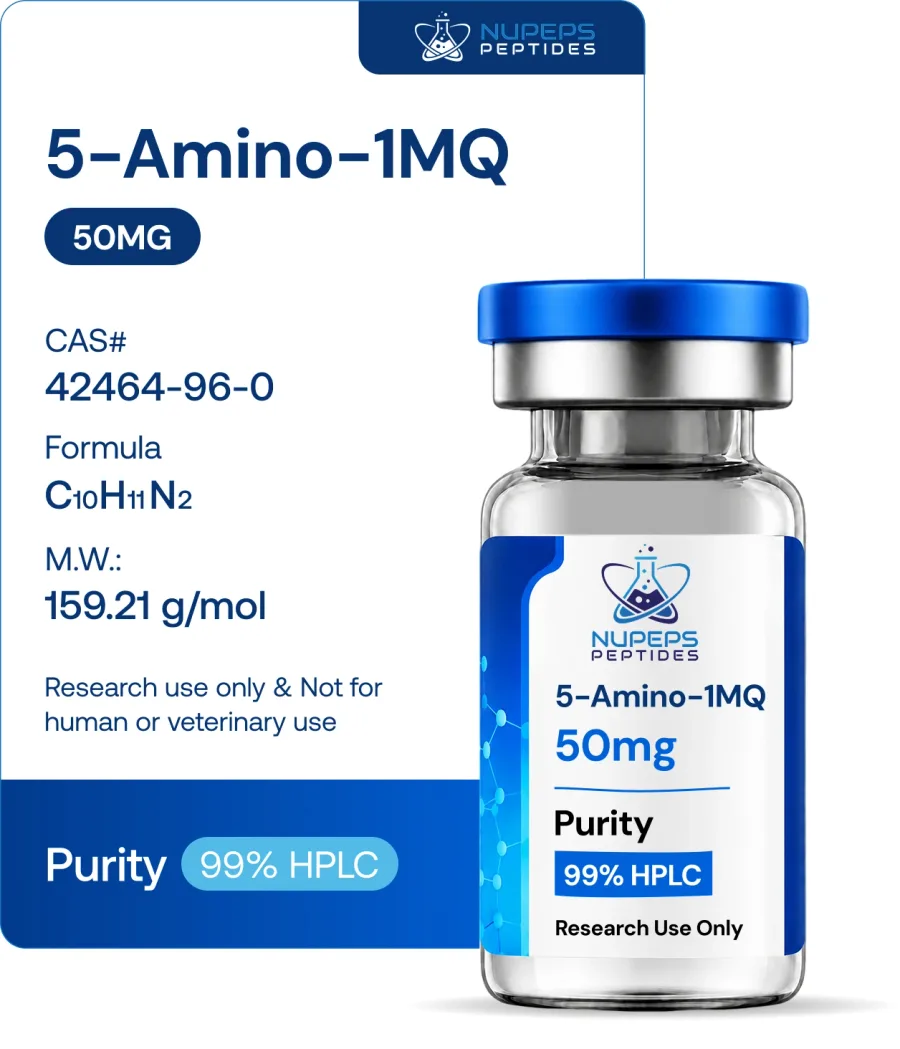
Popular Peptides
The compounds most requested by laboratories working with NUPEPS Peptides.
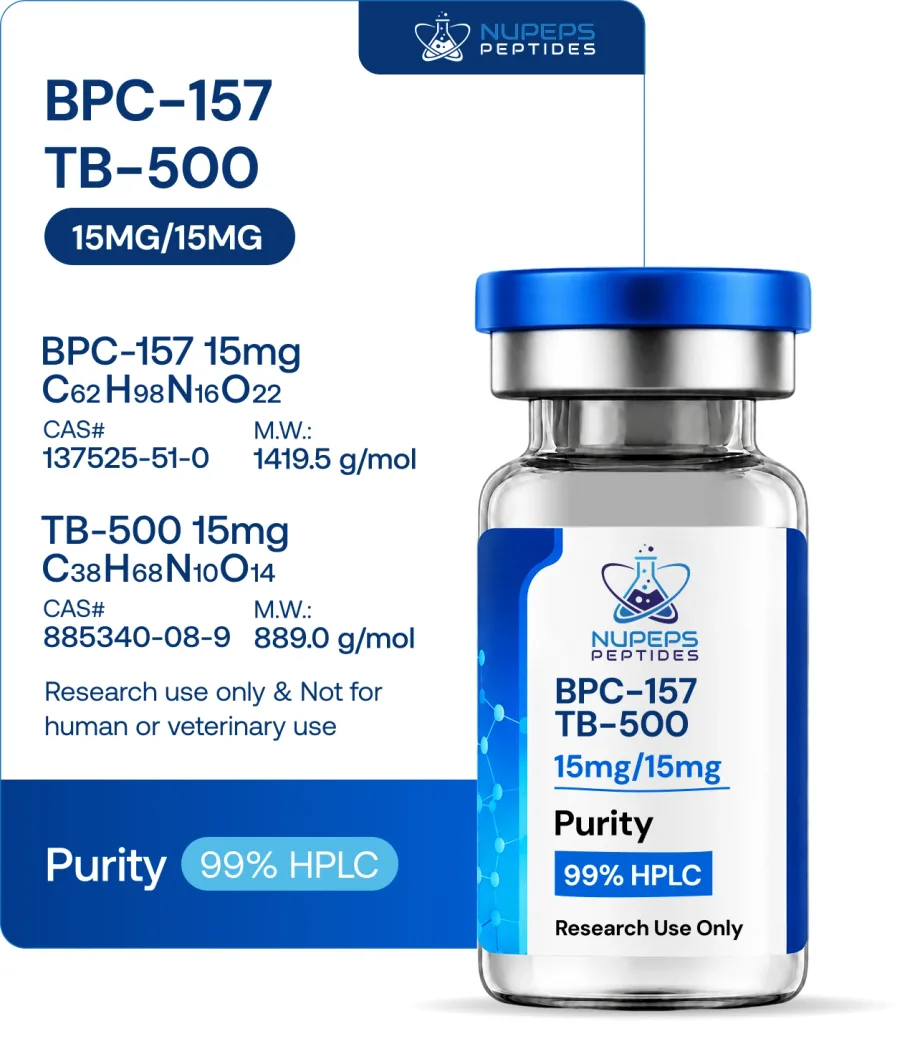
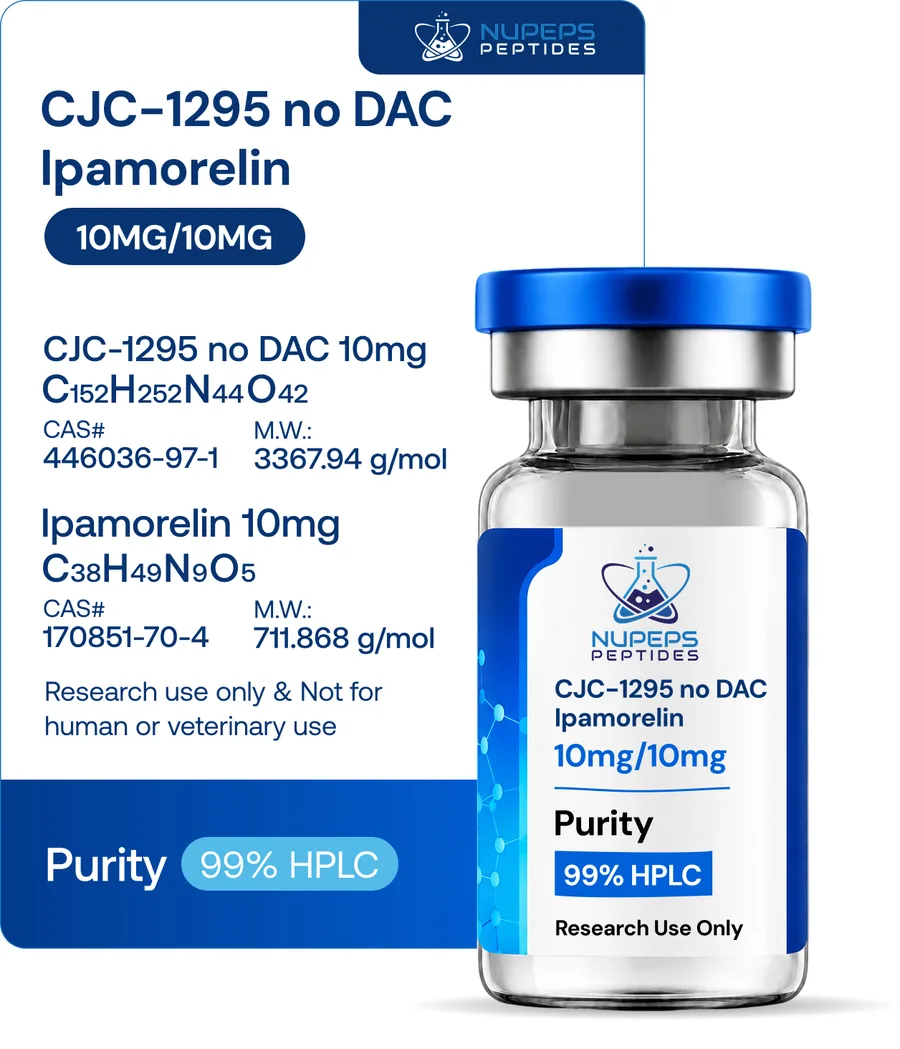
Peptides Blends
Matched multi-compound vials for combined-pathway laboratory research.
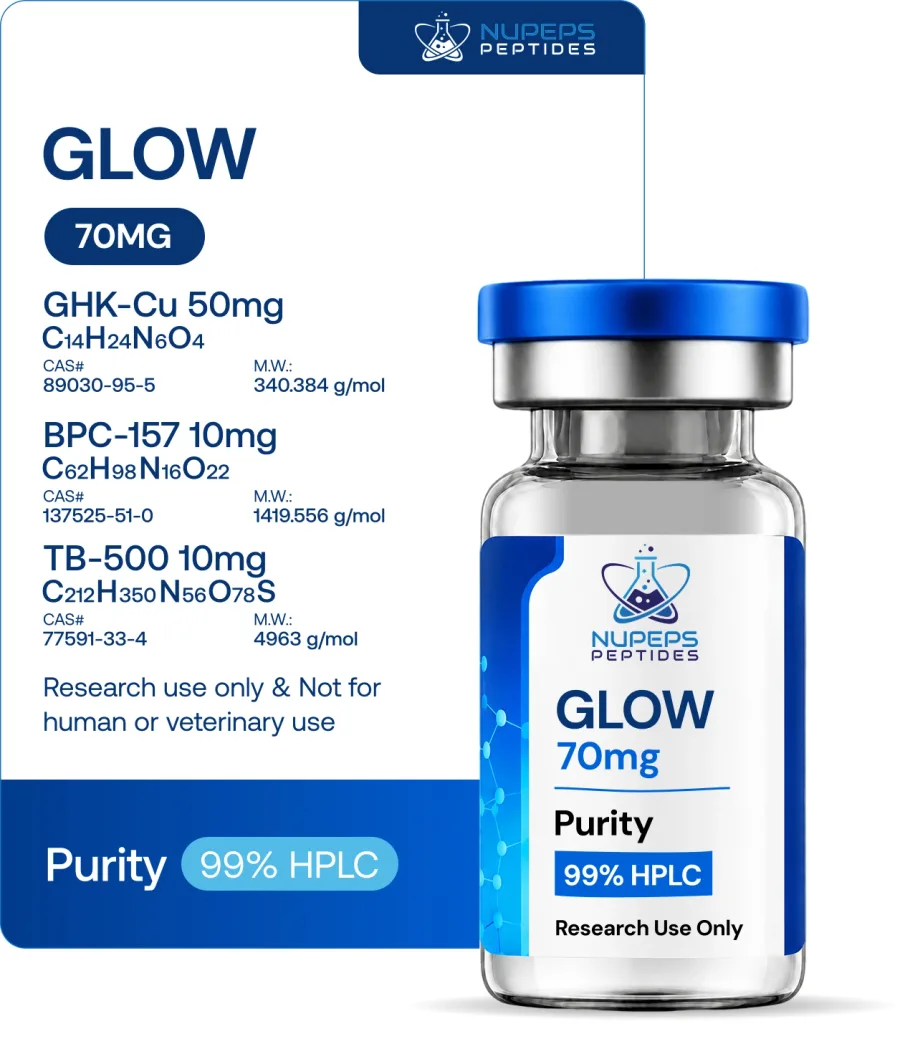
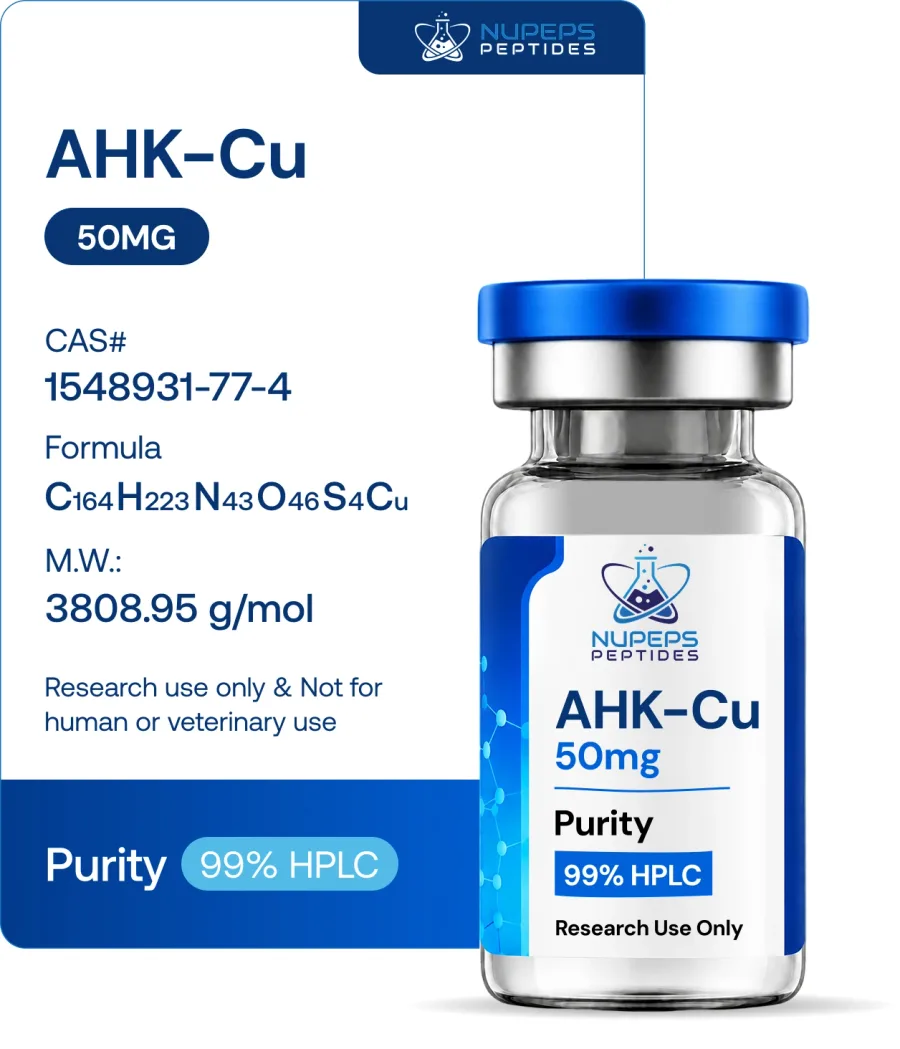
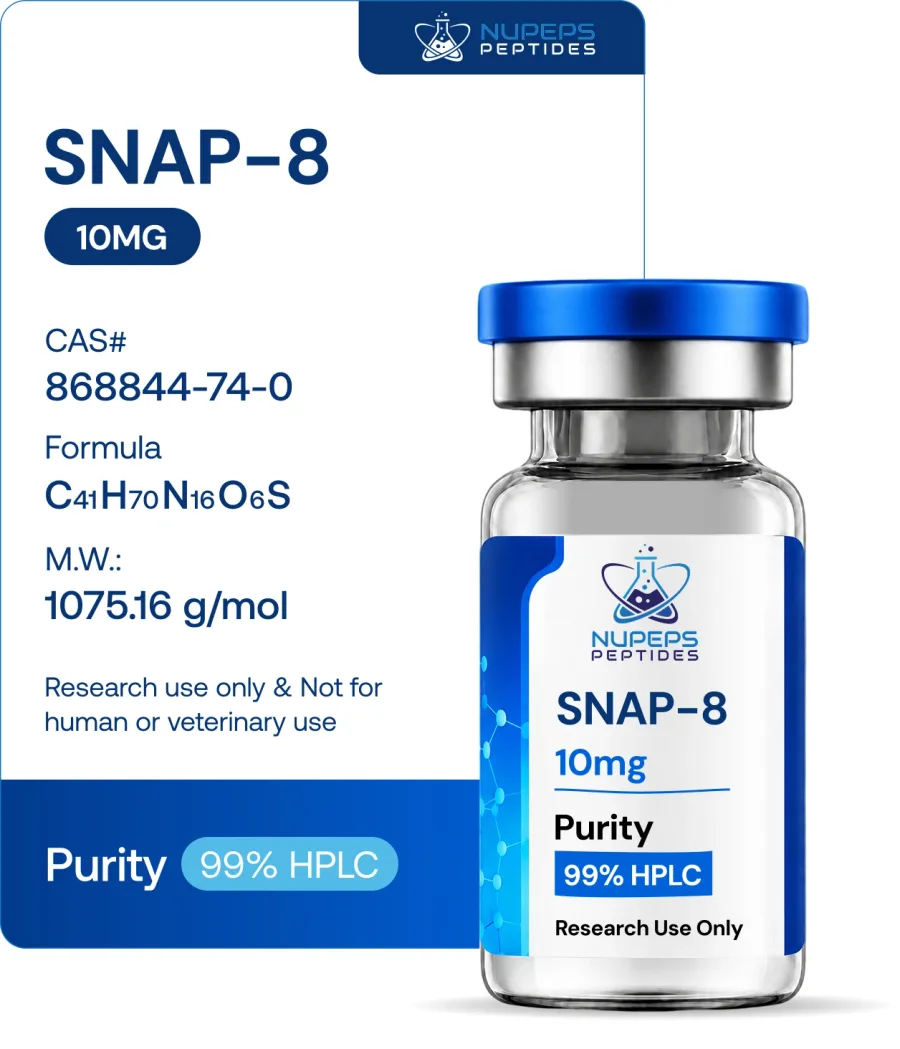
Cosmetic Peptides
Dermal-matrix and formulation peptides for topical and cosmetic studies.
A transparent, analytically driven process
We treat every compound as if it were destined for peer review. Here is how each vial reaches your laboratory.
- 01
Synthesis
Compounds are synthesized under controlled conditions using solid-phase peptide chemistry with sequence verification.
- 02
Analysis
Every lot is evaluated by reverse-phase HPLC and mass spectrometry to confirm identity and quantify purity.
- 03
Documentation
Independent certificates of analysis detail identity, purity and analytical method, and are published in the COA library.
- 04
Fulfilment
Lyophilized vials are sealed, cold-handled and dispatched discreetly within 24 hours of order confirmation.
Purity is a claim. Ours comes with the data.
Independent laboratories evaluate our compounds so you can trust what enters your experiment. Certificates are published as issued, so you can review them before you order.
- Reverse-phase HPLC purity quantification on every lot
- Mass spectrometry confirmation of molecular identity
- Sterile filtration and lyophilization under controlled conditions
- Certificates of analysis published before you buy
Research guides
In-depth, research-framed guides on the compounds we supply — written for laboratory researchers. For research use only.
Questions researchers ask
Clear answers on purity, shipping, returns and compliance. Everything you need to order with confidence.
Read all FAQsAll NUPEPS Peptides products are intended strictly for in-vitro laboratory research and development. They are not drugs, supplements, cosmetics or food, and are not intended for human or animal consumption, diagnostic, or therapeutic use. By ordering, you confirm you are a qualified researcher or institution.
Every production lot is evaluated by reverse-phase HPLC for purity quantification and by mass spectrometry for identity confirmation. Certificates of analysis (COAs) are published in the COA library, so they can be reviewed before purchase.
Orders confirmed before the daily cut-off are dispatched within 24 hours in discreet, temperature-considerate packaging. Domestic shipping is a flat $15.00 per order — no free shipping is offered. Tracking is provided by email once your order leaves our facility. Estimated delivery is 2 days.
All sales are final. Because these are sensitive research materials, returns and refunds are not permitted except for verified damaged, incorrect, or missing items. Contact us within 2 days of delivery to raise a claim — see our Returns & Refund Policy for details.
We ship to select regions where the import of research chemicals is permitted. It is the responsibility of the researcher or institution to ensure compliance with all local, state and national regulations before ordering.
Checkout is encrypted end to end. Card details are entered on our payment processor’s PCI-compliant form and never touch our servers, and we never store card data.
Built for qualified researchers and institutions
NUPEPS Peptides compounds are supplied strictly for laboratory research and in-vitro use. They are not for human or veterinary consumption. By purchasing, you confirm you understand and accept responsible, compliant handling.