Antioxidation and Liver Health
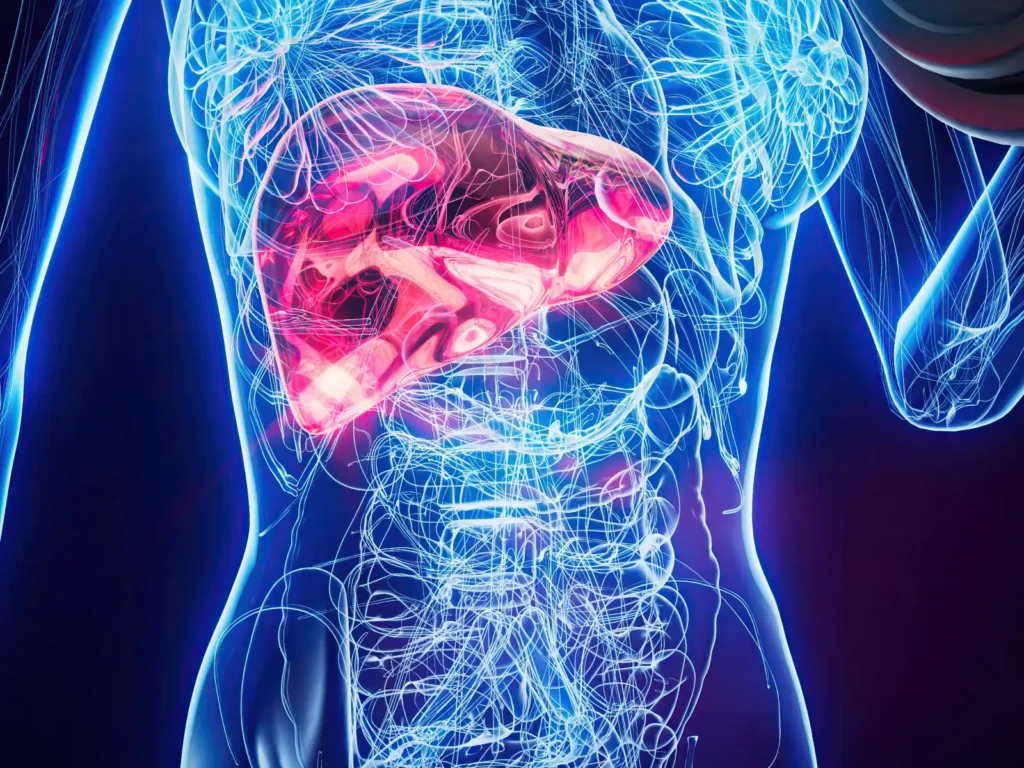
The liver is one of the body’s most important metabolic and detoxification organs. It performs essential functions including biosynthesis, energy storage, and the clearance of harmful substances. Factors such as oxidative stress, toxin buildup, and metabolic imbalance contribute to liver injury, fatty liver disease, and the development of fibrosis.
Protecting the liver requires maintaining the structural integrity of hepatocytes, supporting detoxification enzymes, and reducing excessive free radicals. Due to their high activity and strong target specificity, peptide-based compounds can modulate metabolic pathways, shield hepatocytes from oxidative damage, and support toxin biotransformation. These characteristics make them valuable research tools for studying mechanisms involved in alcoholic liver disease, non-alcoholic fatty liver disease (NAFLD), and drug-induced liver injury.
Core Application Areas
1. Hepatic Protection: Preserving Hepatocyte Structure and Function
Peptide compounds help protect the liver through anti-apoptotic actions, metabolic regulation, and cellular repair.
- Inhibition of hepatocyte apoptosis: Mitochondria-targeted peptides (e.g., SS-31) help stabilize mitochondrial membranes, preserve membrane potential, and inhibit the release of apoptosis-related proteins such as cytochrome C. By reducing oxidative or drug-induced apoptosis, they help maintain hepatocyte energy metabolism and counteract injury seen in conditions such as ischemia-reperfusion damage. Copper-containing peptides (e.g., GHK-Cu) can promote signaling involved in DNA repair and cellular regeneration. They also modulate pathways such as TGF-β, helping slow processes associated with liver fibrosis development.
- Hepatic membrane support: Certain liver-protective peptides enhance tight junction proteins in hepatic membranes, reducing permeability to inflammatory factors and toxins. This strengthens the barrier function of the liver and supports early-stage intervention in toxin-related liver stress, such as alcohol-induced injury.
2. Detoxification: Supporting Metabolic Breakdown and Excretion
The liver plays a central role in the metabolism of chemicals, drugs, and toxins. Research on liver-protective peptides highlights their involvement in enhancing detoxification pathways.
- Activation of Phase I/II metabolic processes: Glutathione (GSH) and GSH-related peptides participate directly in Phase II conjugation reactions, binding electrophilic toxins to support their clearance. Certain peptides increase intracellular GSH levels and promote glutathione S-transferase (GST) activity—key factors in metabolizing alcohol derivatives, acetaminophen metabolites, and other toxic compounds. NAD-related peptides support redox reactions important for Phase I enzyme systems such as alcohol dehydrogenase and cytochrome P450. Increased NAD availability enhances the liver’s ability to process lipophilic toxins into water-soluble metabolites.
- Regulation of bile acid pathways: Some liver-active peptides are thought to influence nuclear receptors such as FXR or PXR, supporting bile acid synthesis and transport. This may help reduce toxic bile acid buildup and improve conditions associated with cholestatic liver dysfunction.
3. Antioxidative Stress: Reducing Free Radical Damage
Oxidative stress is a major driver of liver injury and disease progression. Peptide-based compounds offer protective effects through multiple antioxidative mechanisms.
- Direct free radical scavenging: Glutathione neutralizes reactive oxygen species (ROS) such as superoxide and hydrogen peroxide, helping prevent lipid membrane oxidation and cellular injury.
- Regulation of oxidative enzymes: Some antimicrobial peptides (e.g., LL-37) help reduce ROS generation by inhibiting pathways such as NADPH oxidase. This can interrupt oxidative stress–driven cascades linked to apoptosis and inflammatory signaling.
- Mitochondrial protection: Mitochondria-targeted peptides (e.g., SS-31) help maintain mitochondrial dynamics, reducing fragmentation and preserving energy production. Stable mitochondrial function lowers the risk of oxidative damage to proteins, lipids, and DNA.
Conclusion
Peptide-based research tools play an important role in understanding liver protection, detoxification, and oxidative stress regulation. By targeting mitochondrial stability, metabolic enzyme pathways, and redox balance, peptide substances provide valuable insight into the mechanisms underlying fatty liver disease, toxin-related liver injury, and fibrosis. Their multi-pathway capabilities illustrate the potential for deeper mechanistic exploration in the field of liver health.
Important Disclaimer
All articles and product information on this website are provided exclusively for educational and informational purposes.
Products offered on this website are intended strictly for in vitro research use only.
- These products are not medications.
- They have not been evaluated or approved by the U.S. FDA.
- They are not intended to diagnose, treat, cure, or prevent any disease.
- It is strictly prohibited to use, administer, or introduce these products into humans or animals in any form.