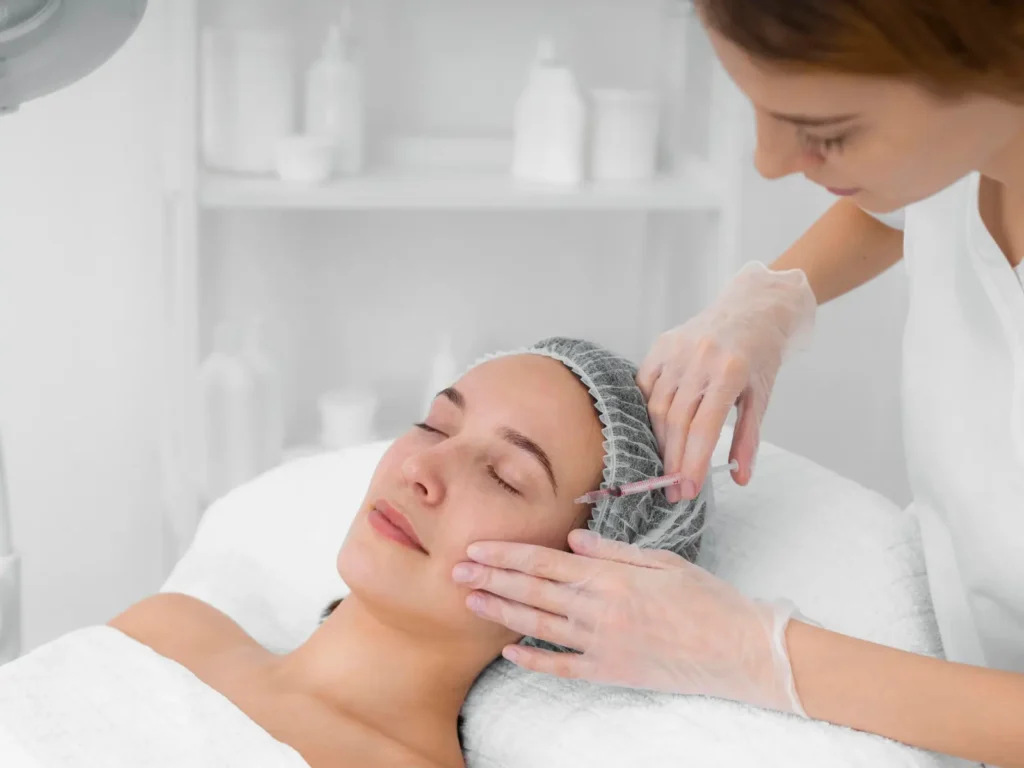
Aging and skin concerns develop through a combination of biological processes, including collagen loss, oxidative stress, melanin accumulation, telomere shortening, and reduced cellular energy production. Bioactive peptides offer targeted and highly compatible solutions by acting on these pathways with precision. Through structure-optimized or naturally-mimicking molecules, peptides help reinforce the skin barrier, support repair, improve texture, and regulate pigmentation—positioning them as powerful tools in advanced anti-aging and aesthetic applications.
Core Application Areas
1. Wrinkle Reduction: Restoring Dermal Structure & Elasticity
Wrinkles result from decreased collagen, weakened elastic fibers, and reduced fibroblast function. Peptides help improve these conditions through multiple mechanisms:
- Stimulating collagen synthesis: Selected oligopeptides activate pathways similar to TGF-β, supporting fibroblast activity and increasing production of collagen types I & III as well as hyaluronic acid—helping smooth fine lines and improve firmness.
- Regulating neuromuscular signaling: Peptides such as Snap-8 reduce the formation of SNARE complexes, lowering acetylcholine release and softening expression-related wrinkles. They offer a milder and reversible alternative approach compared to neurotoxins.
- Reinforcing extracellular matrix integrity: GHK-Cu promotes glycosaminoglycan synthesis, hydration, and collagen repair, improving skin elasticity and resilience.
2. Melanin Regulation: Brightening & Evening Skin Tone
Pigmentation disorders such as melasma or sunspots arise from increased melanocyte activity and melanin accumulation. Peptides assist by balancing pigment production and transport.
- Reducing melanin synthesis: Certain oligopeptides inhibit tyrosinase activity and gene expression. Antioxidants like glutathione limit oxidative reactions inside melanocytes that contribute to pigment formation.
- Enhancing photoprotection: Melanotan analogs activate MC1R receptors to regulate melanin distribution and natural tanning, helping the skin defend against ultraviolet (UV) exposure.
3. Telomere Support: Delaying Cellular Aging
Telomeres act as protective caps on chromosomes, and their shortening is linked to cellular aging.
- Supporting telomerase activity: Peptides such as Epitalon help modulate telomerase expression, supporting telomere maintenance and promoting healthier cell turnover in skin tissues.
- Balancing aging-related gene pathways: By influencing factors such as p53 and p16, these peptides help reduce senescence signals and promote more stable cellular function.
4. Antioxidation: Defending Against Free Radical Damage
Oxidative stress is a major driver of skin aging. Peptides act to maintain cellular stability and reduce environmental damage.
- Neutralizing free radicals: Peptides that support NAD pathways enhance energy metabolism and antioxidant enzyme activity, reducing oxidative injury. Glutathione directly neutralizes reactive species to protect DNA and cell membranes.
- Maintaining mitochondrial function: Mitochondria-targeting peptides like SS-31 help preserve membrane stability and energy output, reducing the impact of oxidative stress on skin cells.
5. Skin Brightening: Multi-Pathway Improvement for Even Tone
Even skin tone requires a combination of melanin inhibition, controlled pigment transfer, and improved skin turnover.
- Limiting melanin transport: Certain peptides reduce melanin movement from melanocytes to keratinocytes, decreasing visible pigmentation while enhancing natural exfoliation.
- Addressing post-inflammatory pigmentation: Anti-inflammatory peptides such as KPV help regulate pathways like NF-κB, providing support for pigmentation triggered by irritation, UV exposure, or acne.
Conclusion
Peptide-based approaches represent a shift in anti-aging and cosmetology from surface-level treatments to biologically targeted interventions. By influencing collagen synthesis, pigment regulation, telomere maintenance, oxidative stress, and cellular metabolism, peptides provide a sophisticated, multi-dimensional strategy to support youthful skin appearance and overall skin health.
Educational & Research-Only Notice
All articles and product information on this website are for educational purposes only.
Products offered on this website are intended strictly for in vitro research use only.
- These products are not medications.
- They have not been evaluated or approved by the U.S. FDA.
- They are not intended to diagnose, treat, cure, or prevent any disease.
- It is strictly prohibited to use, administer, or introduce these products into humans or animals in any form.

 Secure Checkout
 Fast Shipping
 Easy Returns